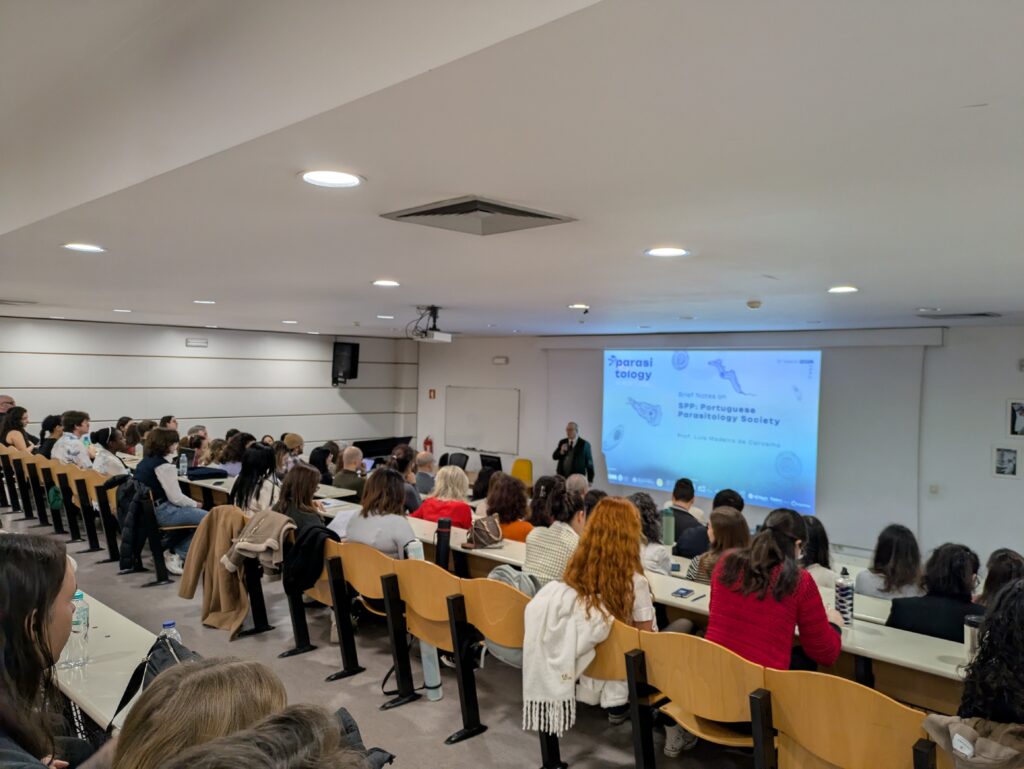
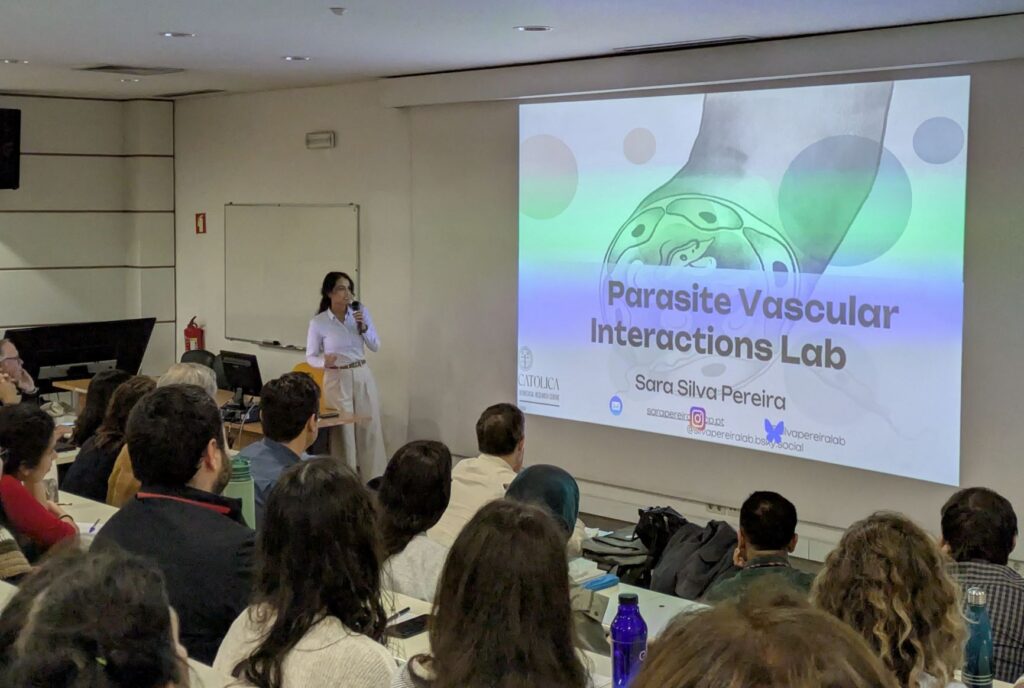
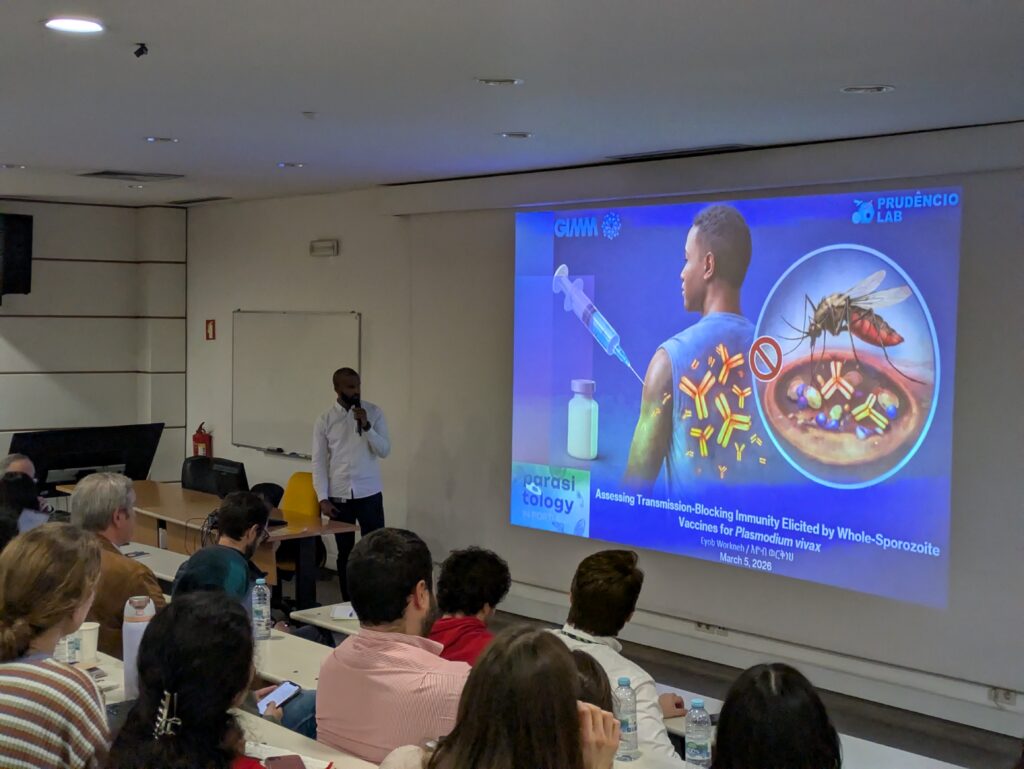
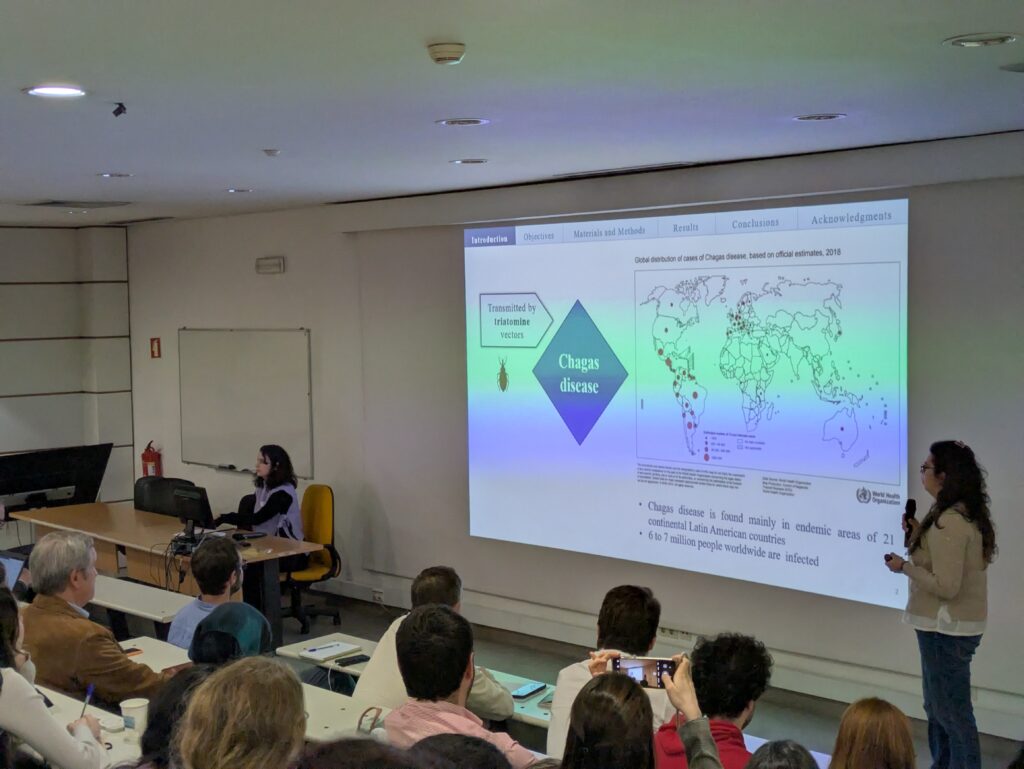
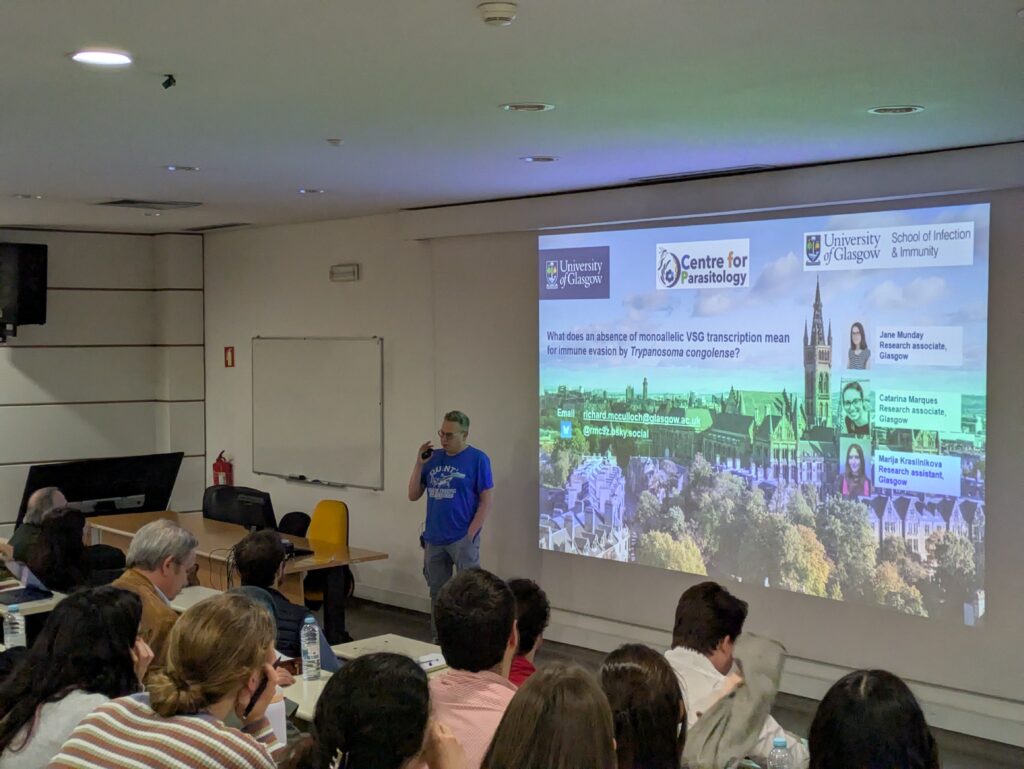
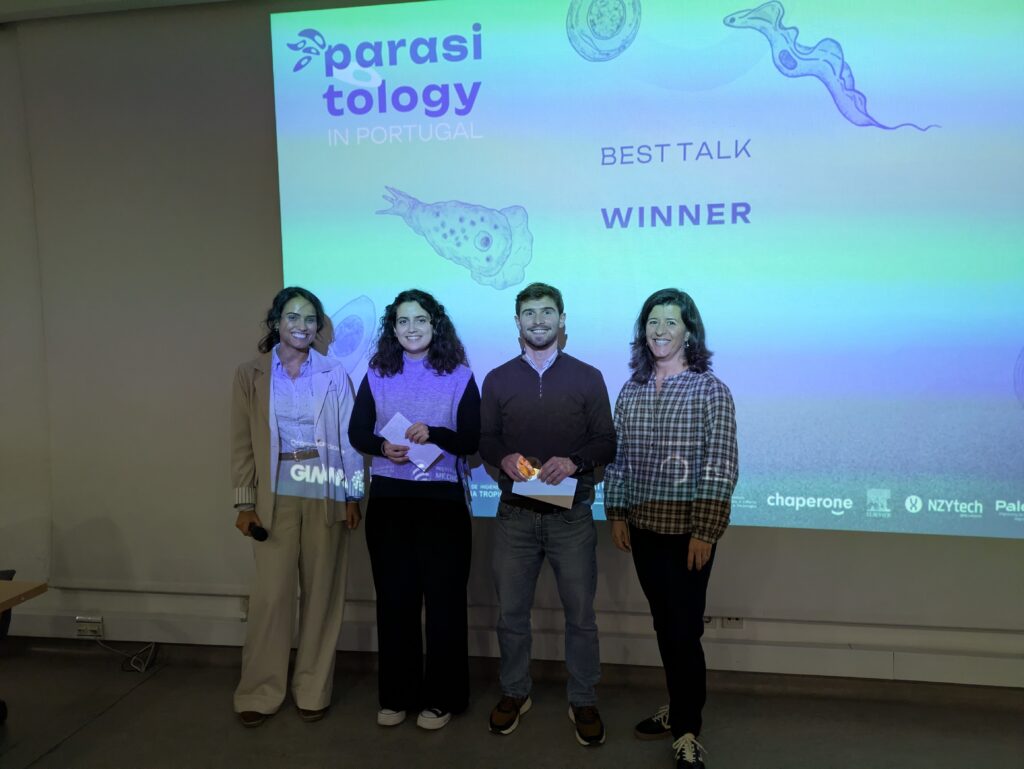
After more than a decade without a national meeting dedicated to parasitology, researchers, clinicians, veterinarians and students from across the country gathered in Lisbon on March 5 for Parasitology in Portugal 2026, the first Portuguese parasitology meeting since 2014.
Hosted at GIMM/FMUL, the meeting gathered around 170 researchers, at different stages of scientific and clinical careers, and was an important opportunity to strengthen collaborations and showcase current research being developed in Portugal in a field with deep national roots.
For Luísa Figueiredo, GIMM Group Leader and member of the organising committee, one of the most compelling questions in parasitology remains fundamental: why parasites cause disease and why the immune system often fails to eliminate them.
“Parasites have evolved highly sophisticated strategies to survive inside the host,” she explains. “A central challenge is understanding the molecular and cellular mechanisms they use to establish themselves successfully and persist.”
That challenge has gained new momentum thanks to major technological advances. According to Luísa Figueiredo, parasitology has moved far beyond descriptive science and now relies heavily on powerful functional tools, particularly genetic manipulation techniques such as CRISPR, which allow researchers to systematically alter parasite genes and test their role in infection.
Today, scientists can perform large-scale genetic screens to identify which parasite genes are essential for invading tissues, infecting specific cells or resisting host defences. These approaches are increasingly combined with omics technologies, including single-cell analyses and RNA sequencing, which make it possible to observe in detail how both parasite and host respond during infection.
Some researchers focus on the parasite itself, identifying the molecules that drive virulence. While others investigate the host side, asking which genes and biological pathways are required to mount an effective defence.
“A parasite is an organism that enters a host and causes harm,” Luísa notes. “Unlike much of our microbiota, which may be neutral or even beneficial, parasites are always detrimental to the host.”