Can evolution be understood through a set of fundamental principles? And if so, what are the “rules of the game” that govern the emergence, adaptation and plasticity of living systems?
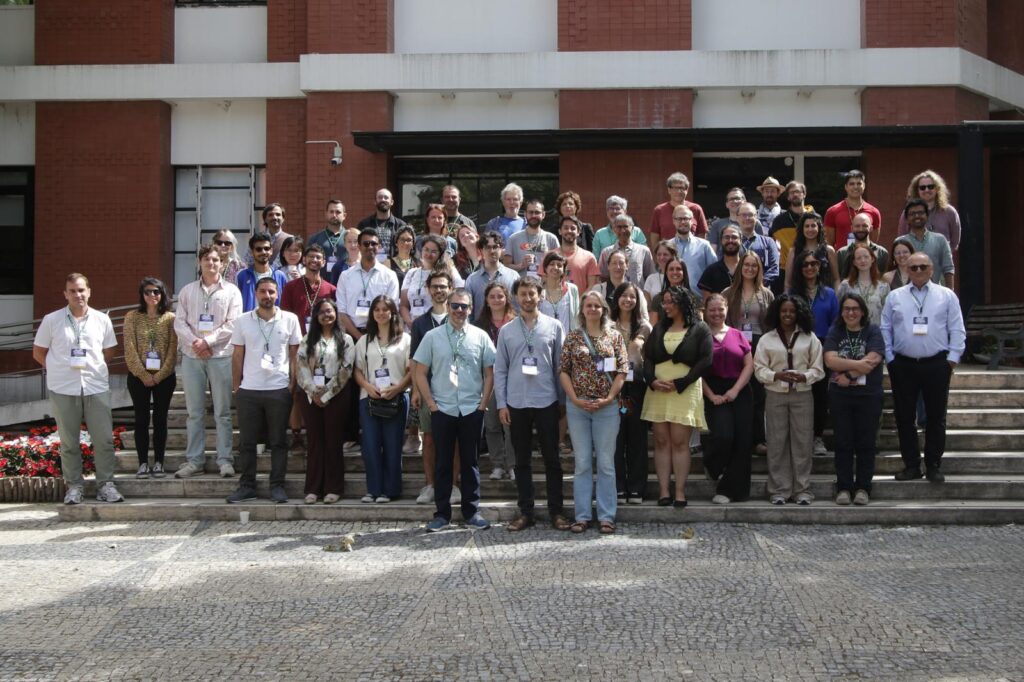
These were the questions at the heart of the EMBO Workshop The Rules of the Game: Biophysical and Molecular Principles in Cellular Evolution, held at GIMM Oeiras from June 2–5. The meeting brought together around 100 researchers representing 27 nationalities and diverse scientific disciplines to explore how physical and molecular laws shape biological evolution across scales.
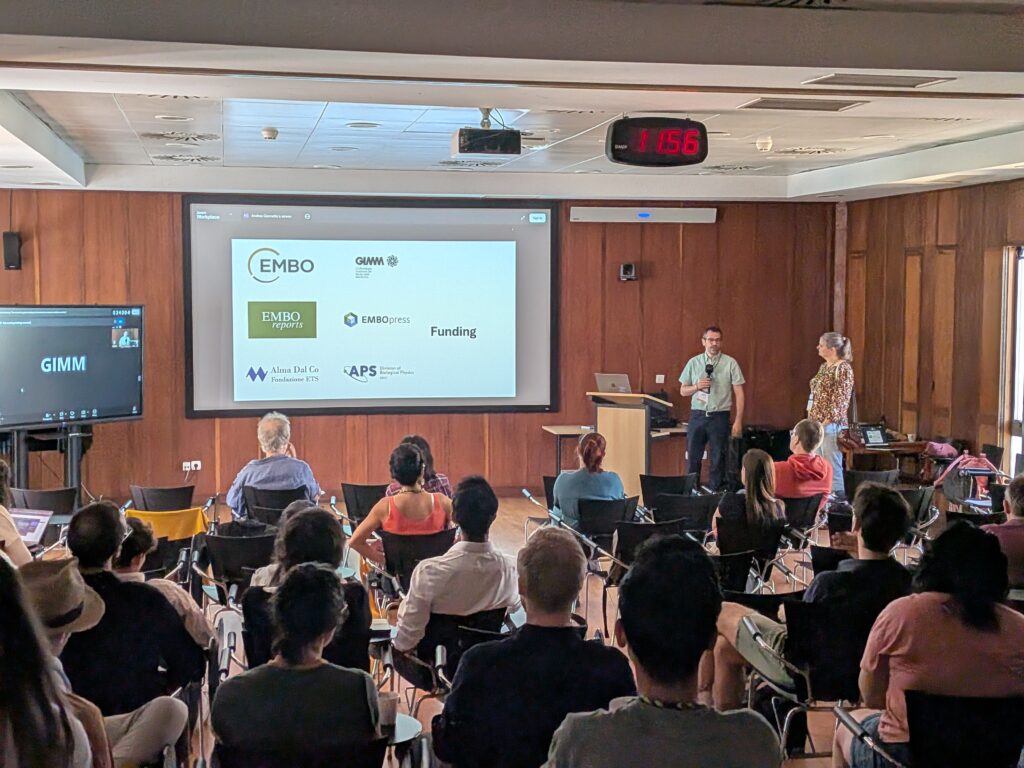
Opening the meeting, organizer Marco Fumasoni, GIMM group leader, highlighted both the ambition and the challenge of the workshop. The event was intentionally designed to bring together scientists who might not normally share the same conference space.
“Many of you probably never met each other at a conference,” he noted. “And this is good. There is room to get to know new people.”
For Fumasoni, the workshop’s title reflects an ongoing effort to identify the fundamental principles that underlie biological systems.
“We call these principles the ‘rules of the game’,” he said, acknowledging that the scientific community is still searching for the best language and conceptual frameworks to describe them.
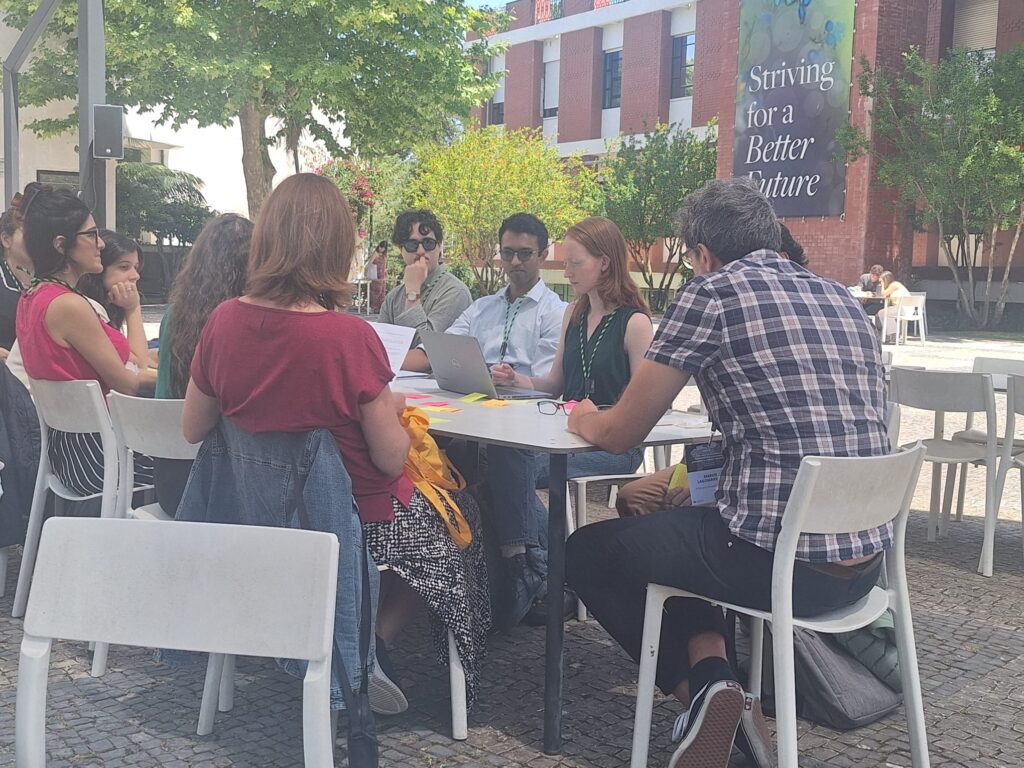
The programme was structured to encourage interaction through roundtables, plenary discussions and informal exchanges. Hosting the workshop at the institute itself was also a deliberate choice.
“We believe this building, with its long history of collaborative science, provides the right setting for an EMBO workshop across disciplines,” Fumasoni explained.
The opening: From the evolution of error correction to the emergence of life on exoplanets
The opening keynote by Arvind Murugan (University of Chicago) explored how living systems achieve remarkable reliability despite operating in noisy and error-prone environments. Focusing on biological proofreading mechanisms, Murugan discussed how cells actively detect and correct mistakes during processes such as DNA replication and protein synthesis, challenging the traditional idea that speed and accuracy are necessarily in conflict. His lecture highlighted how simple physical principles may shape the evolution of complex biological functions, setting the tone for many of the interdisciplinary discussions that followed throughout the workshop.
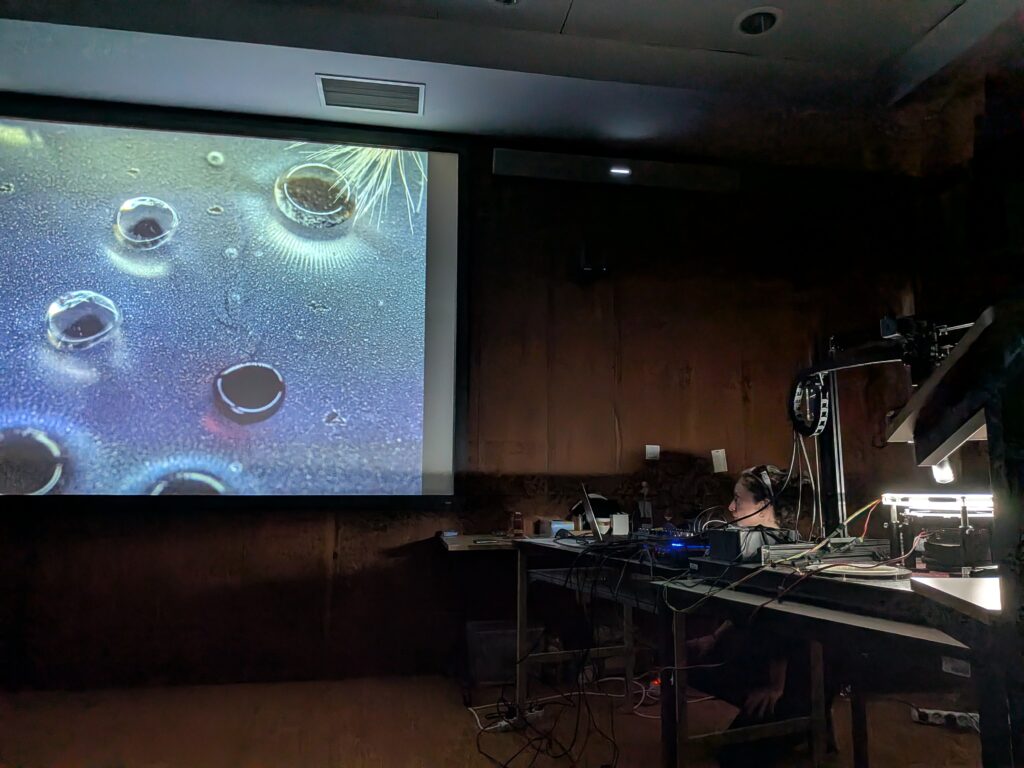
The first day concluded with an Art & Science performance by the collective Shapes of Emergence, sponsored by the Alma Dal Co Foundation, offering participants a unique opportunity to explore the connections between experimental science and artistic expression. Through a three-act live cinema performance depicting the evolution of life on an exoplanet, the collective combined experimental physics, improvised music and real-time visual projections into an immersive audiovisual narrative inspired by processes of emergence and self-organization. Blending scientific exploration with artistic improvisation, the show echoed many of the themes explored throughout the workshop itself.
The science: Cellular function and evolution across scales
Across four days, the programme explored cellular evolution from multiple perspectives, ranging from metabolic growth laws and fitness landscapes to cell division, chromosome biology and the emergence of cellular organization.
By combining experimental evolution, molecular genetics, theoretical physics and computational modelling, the workshop encouraged participants to search for common principles capable of explaining how living systems evolve, adapt and maintain plasticity across scales. Rather than focusing on isolated biological phenomena, the meeting highlighted the growing convergence between disciplines in addressing some of the most fundamental questions in biology.
Publishing and funding interdisciplinary research
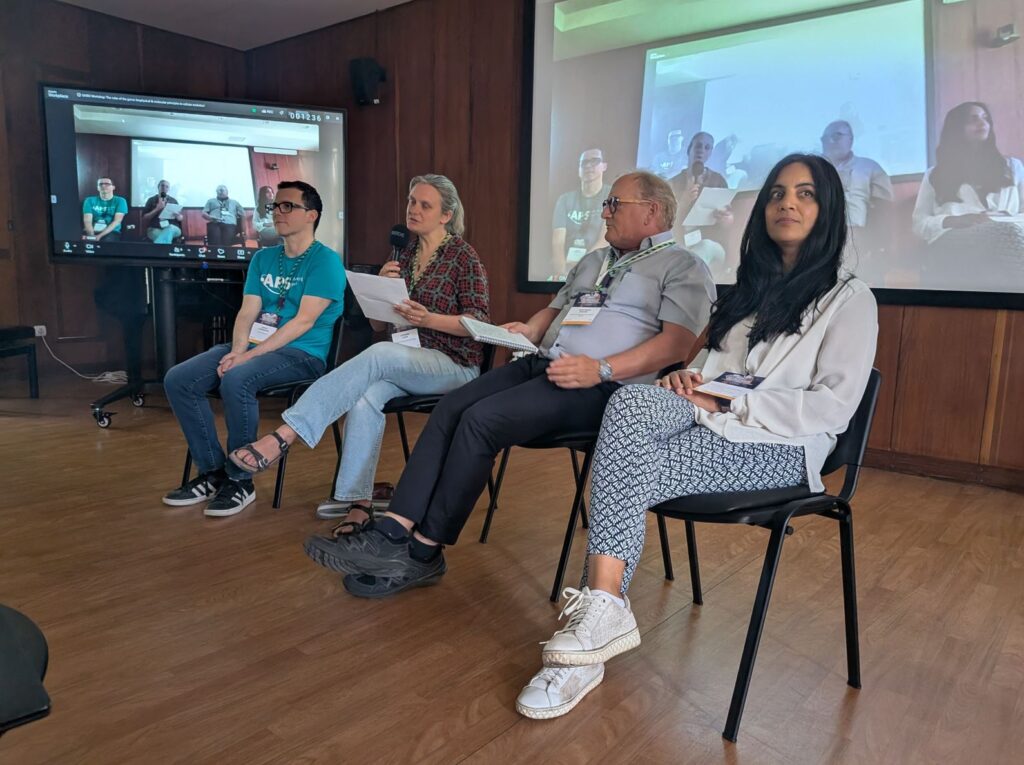
The workshop also addressed the broader challenges of conducting interdisciplinary research through a roundtable on funding, publishing and career development, featuring editors and funding representatives from EMBO Press, Physical Review E and the Human Frontier Science Program (HFSP).
Discussions focused on the difficulties researchers often face when working across disciplinary boundaries, from peer review and publication practices to evaluation criteria and funding structures. Panellists emphasized the importance of building scientific cultures willing to embrace unconventional approaches and recognise the value of combining different methods, perspectives and scientific languages.
Complementing the discussion, Guntram Bauer presented HFSP’s international funding model and its strong support for high-risk, interdisciplinary collaborations at the interface between the life sciences, physics, mathematics and computation.
The finale: From fundamental principles to future collaborations
The workshop concluded with a keynote lecture by GIMM researcher Isabel Gordo, who illustrated how many of the principles discussed throughout the meeting shape the evolution of bacteria in the mammalian gut. By connecting fundamental concepts in cellular evolution to host-associated microbial systems with direct biomedical relevance, her talk highlighted how questions emerging from basic research can have important implications for health and disease. The lecture was followed by a collegial closing discussion in which participants reflected on the workshop’s main take-home messages and on the emergence of a new interdisciplinary community. Bringing together researchers across biology, physics and theoretical sciences, the meeting laid the foundations for future collaborations and continuing discussions on the fundamental principles governing cellular function and evolution.