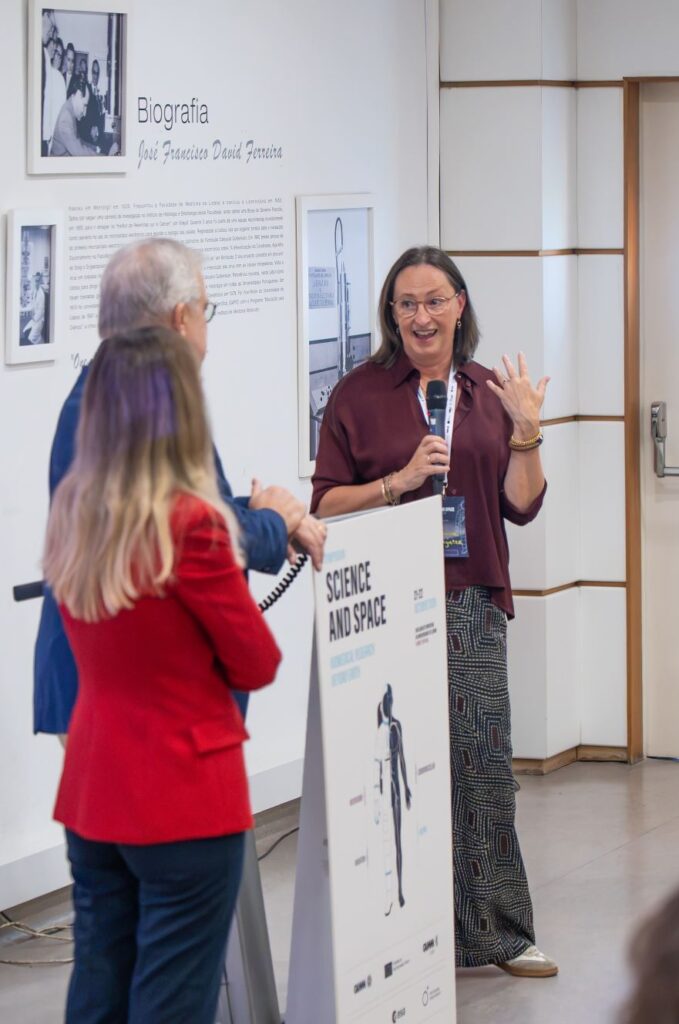
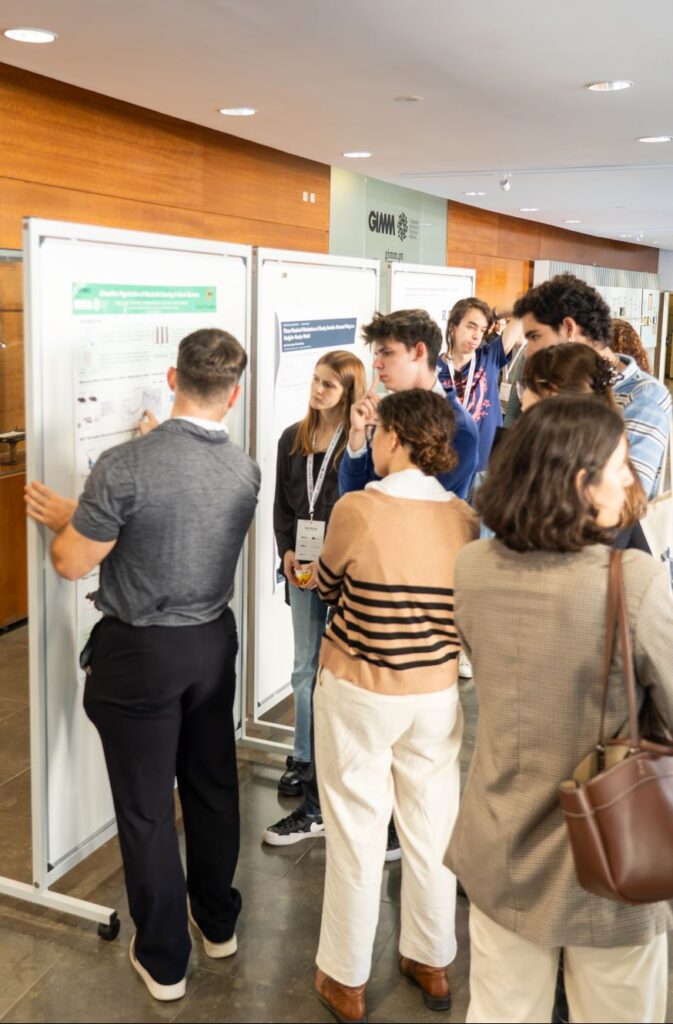
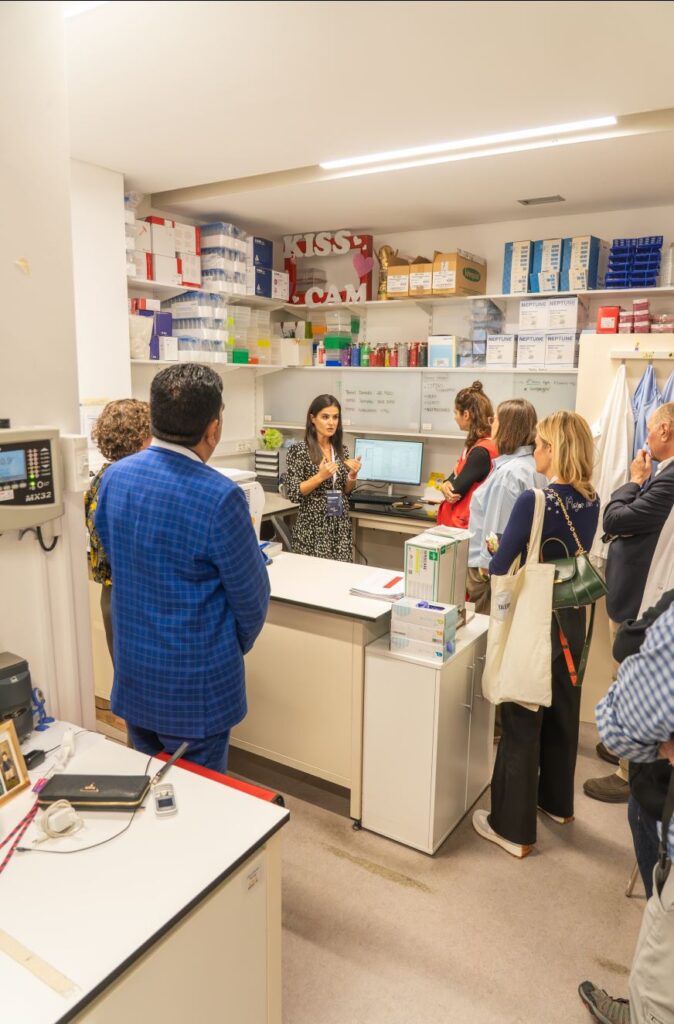
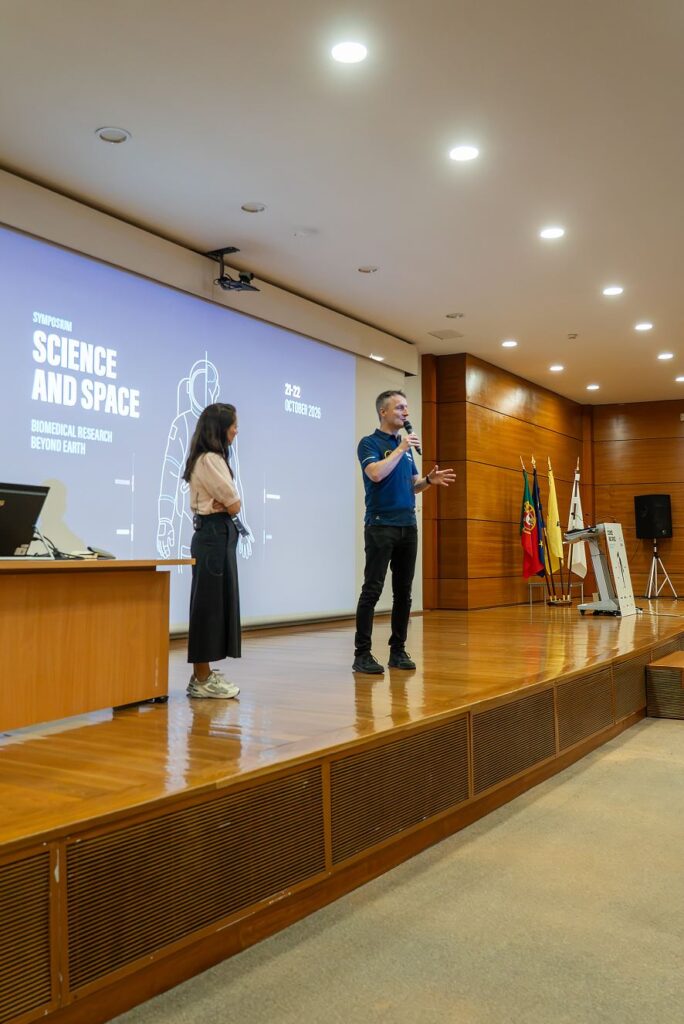
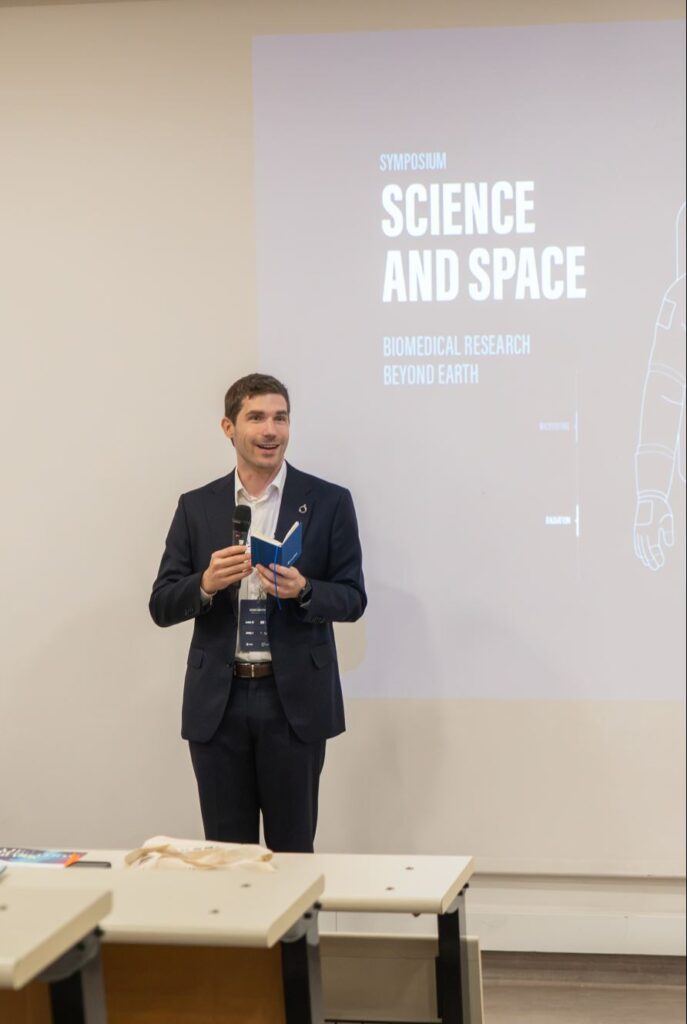
Space makes everything more challenging and that’s where the opportunities begin. From understanding how the human body responds to microgravity to investigating the effects of radiation and uncovering the changes in our microbiome under harsh environmental conditions, space research offers a unique opportunity to explore biological processes that are difficult to study on Earth. These challenges, and the scientific discoveries they can unlock, were at the heart of the Science and Space Symposium, promoted by GIMM, the Lisbon School of Medicine (FMUL) and the Portuguese Space Agency, on October 21 and 22.
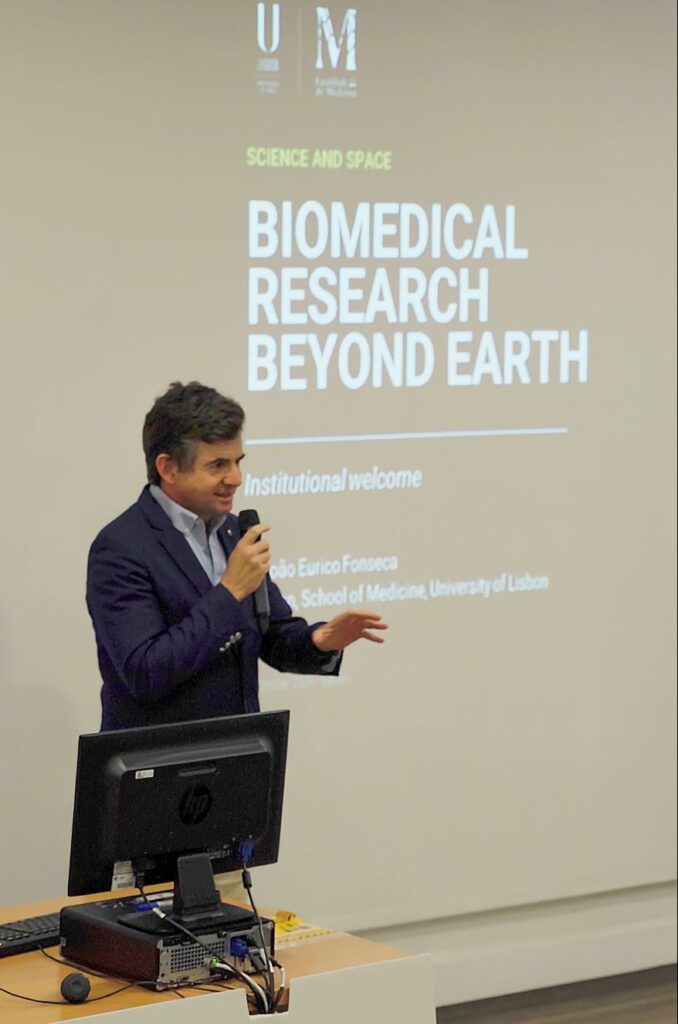
GIMM gained a formal connection to space science in July 2025, when GIMM Biobank was announced as an official repository of samples by the European Space Agency (ESA). With this meeting we brought together researchers, clinicians and experts from the space sector, exploring how research conducted in space can advance biomedical knowledge, inspire new technologies and contribute to better healthcare on Earth. Over one and a half days of scientific presentations and discussion, gathering around 150 participants, one message became clear: exploring space is not only about reaching new frontiers, but also about discovering new ways to understand life on our home planet.
Preparing for space: understanding the human body in extreme environments
Mankind wishes to go to space because “it is there”. However, exploration does not stop once we get out there. Once experiments are conducted in space, they can generate knowledge with applications far beyond the space sector.
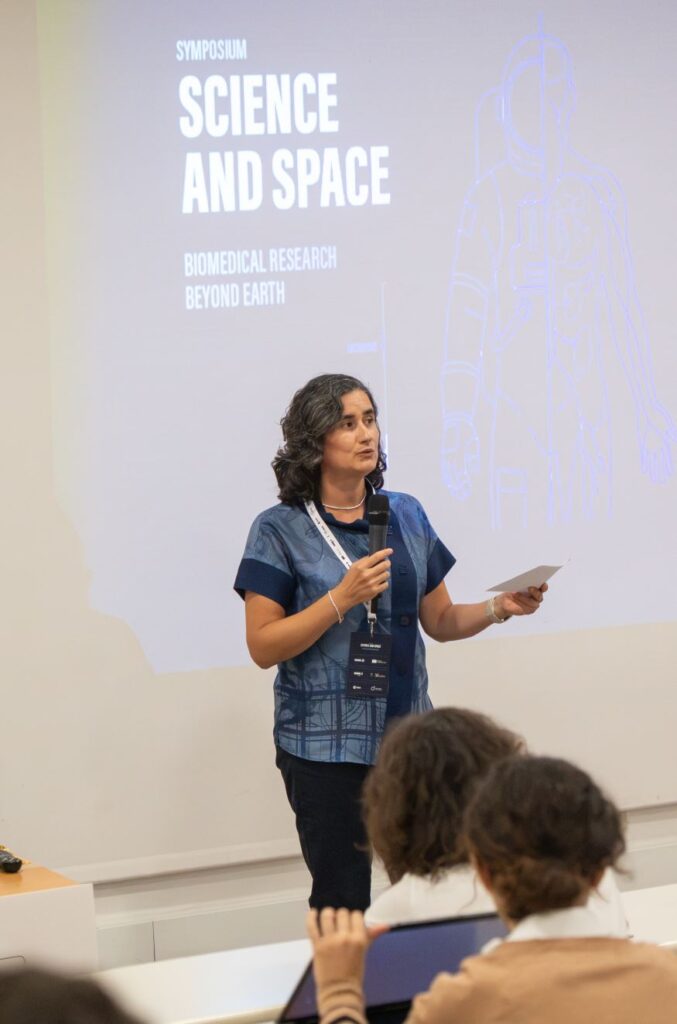
Angelique Van Ombergen, Chief Exploration Scientist at the ESA, opened the first session by introducing a central question: what must we understand about human biology before we can safely explore space for longer periods? Through the session, we learned about the Earth-bound science needed to enable future space exploration. Some critical focus areas are cardiovascular homeostasis under microgravity, muscle regeneration, the effects of long-term exposure to radiation, and microbial evolution under the pressure of space travel.
Researchers are investigating these effects to help develop strategies that protect astronauts during future missions. Understanding cardiovascular homeostasis under microgravity, identifying mechanisms involved in muscle regeneration and assessing the long-term consequences of radiation exposure are all essential steps towards safer human space exploration.
From spaceflight to new insights into human health
Exploration-enabled science takes advantage of the unique conditions of space to investigate biological processes and health challenges. By studying how the human body responds to microgravity and other spaceflight conditions, researchers can gain new insights into ageing, disease and tissue function.
GIMM researcher Joana Neves and guest speaker Nandu Goswami, from Mohammed Bin Rashid University of Medicine and Health Sciences, discussed the effects of spaceflight on muscle physiology. In microgravity, muscles experience reduced mechanical loading, leading to changes in mass and function. Some of these changes resemble those observed during ageing and in certain muscle-wasting conditions.
Studying biological samples collected during space missions can help researchers investigate the mechanisms underlying these changes and identify potential approaches to preserving muscle health. Space therefore offers a distinctive setting in which to study processes that are also relevant to patients on Earth.
The microbiome: a travelling ecosystem
When the Apollo 11 astronauts came back to Earth, they famously spent two weeks in quarantine to ensure that they did not carry extraterrestrial pathogens. By analyzing the samples brought back from the first moon mission, scientists learnt that there are no microorganisms on the moon. However, our microbiome follows us everywhere. This is no different for astronauts when they go to space. What happens to human microbiomes in space? Nicholas Brereton, from University College Dublin, and Christine Moiss, from Medical University Graz, shared with the audience how they are using data collected by astronauts to understand changes to the microbiome induced by space travel, its implications on host health and upon extrapolation the microbiome-health axis here on Earth.
Radiation-safety for astronauts and cancer patients alike
Exposure to radiation is one of the key risks associated with space exploration, particularly during long-duration missions. Understanding its effects is essential to developing effective protection strategies for astronauts. At the same time, research into radiation and its interaction with biological systems can contribute to medical advances. One area of interest is theranostics, which combines diagnostic and therapeutic approaches, particularly in cancer care. Research into radiation-related biological mechanisms may help inform new ways to detect and treat disease, while also improving our understanding of how to minimize harm from radiation exposure.
The challenge is twofold: to protect astronauts from the risks of spaceflight and to translate the knowledge gained into potential benefits for patients on Earth.
Artificial intelligence and the growing value of space-derived data
The symposium also explored how emerging technologies can help researchers turn space-based experiments into new biomedical applications.
Kimberly Washington, representing Yotta and drawing on work at the intersection of NASA and Mayo Clinic research, discussed the potential of artificial intelligence in drug discovery using biological insights derived from space research. Examples involving T cells sent to the International Space Station (ISS), through collaborations between MD Anderson Cancer Center and NASA, illustrated how experiments in orbit can help researchers investigate immune biology under unusual environmental conditions.
Artificial intelligence can support this work by analyzing complex datasets, identifying patterns and generating hypotheses for further investigation. As highlighted in discussions involving research at the Middle East University, KAUST, AI can be a powerful tool for hypothesis generation, helping scientists identify promising questions and guide subsequent experiments.
However, computational tools are only part of the process. Their value depends on the quality of the underlying data, the biological questions being asked and the experimental work needed to validate new findings.
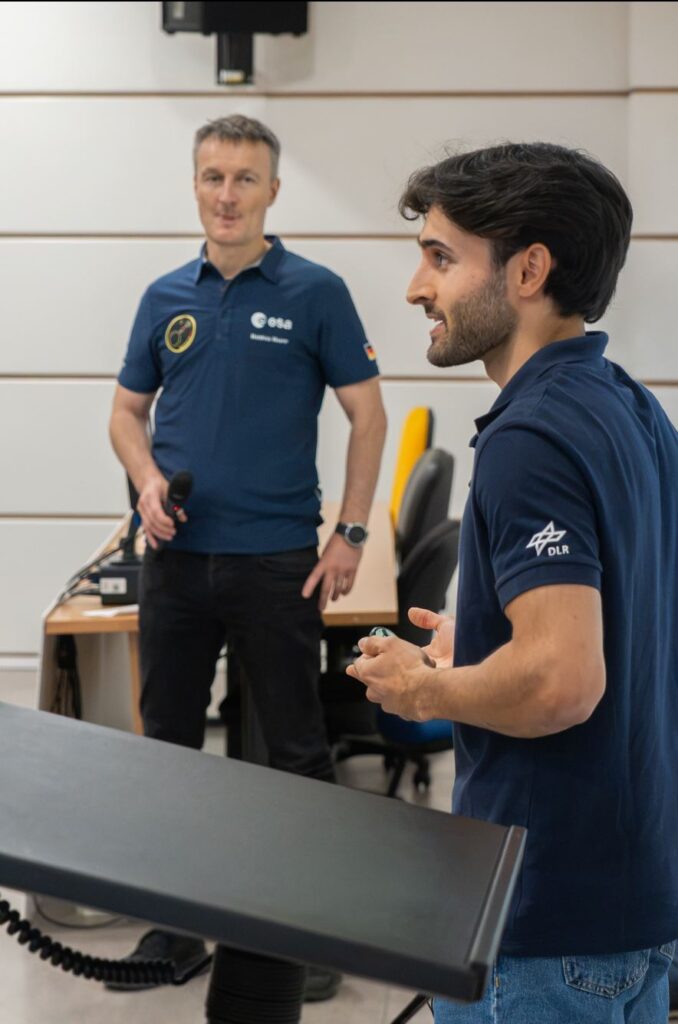
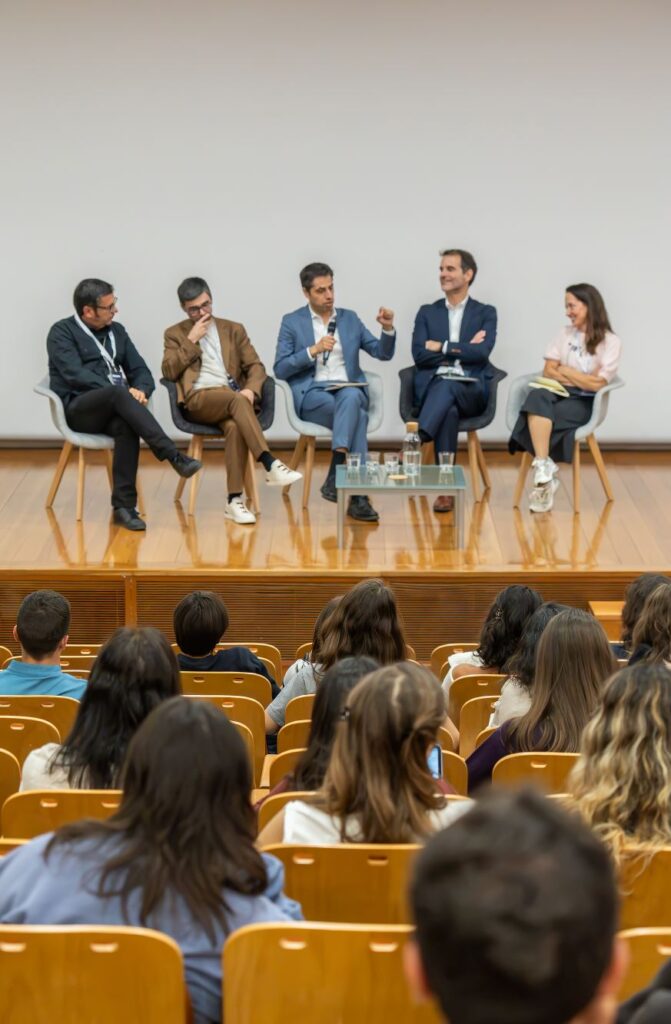
Two presentations – from analog astronaut Diogo Paupério, who spent 100 days in isolation on Earth and ESA astronaut Matthias Mauer, who has been aboard the ISS for 177 days – have put a human face – and experience – to the hardness of life in space. From the strict working routine to the feeding constraints, it became evident that space travel certainly is not a walk in the park. The symposium ended with a panel, wrapping up the main topics of the meeting, gathering a representative from the Portuguese Space Agency, Hugo Costa, from AED Cluster Portugal, Rui Santos, the director of CEMA, the neurosurgeon Edson Oliveira, and GIMM’s Biobank co-director, Sérgio Dias. One of the key messages to emerge from this discussion was that Portugal is on its way to having an astronaut of its own, a milestone that reflects the ambition shared by virtually every nation taking part in the space endeavor.