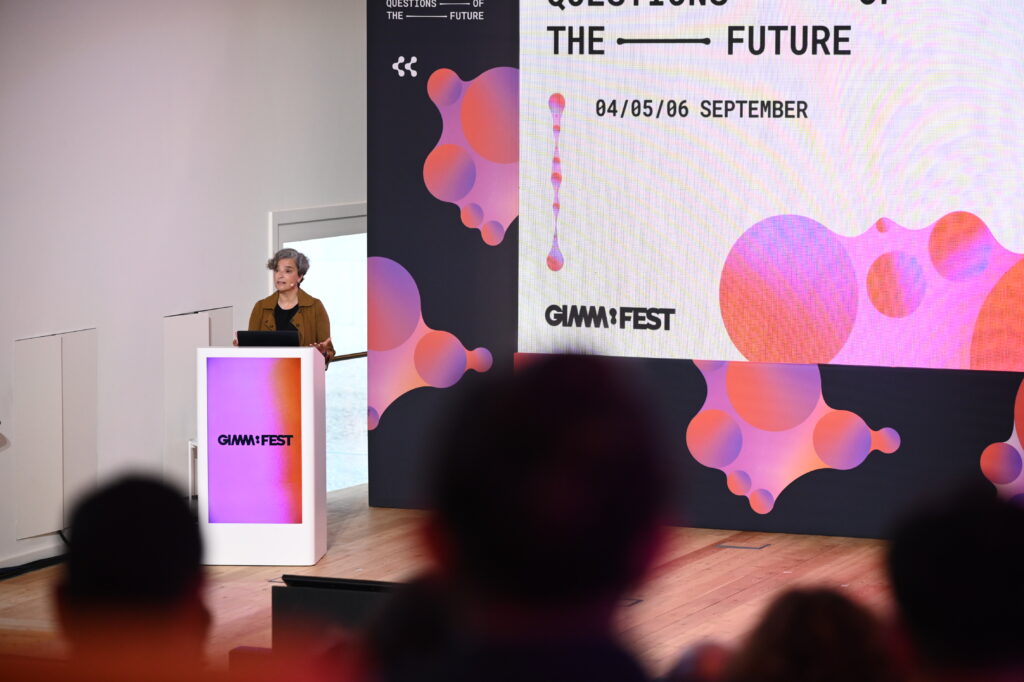
Curiosity unites scientists. The possibility of questioning and investigating in search of answers drives the advancement of knowledge.“Our core objective is to identify the most critical unanswered questions — those that can guide discoveries, collaboration, and real-world impact in the coming years,” stated Maria Mota, CEO of the GIMM Foundation, during the opening session of the GIMM Festival.
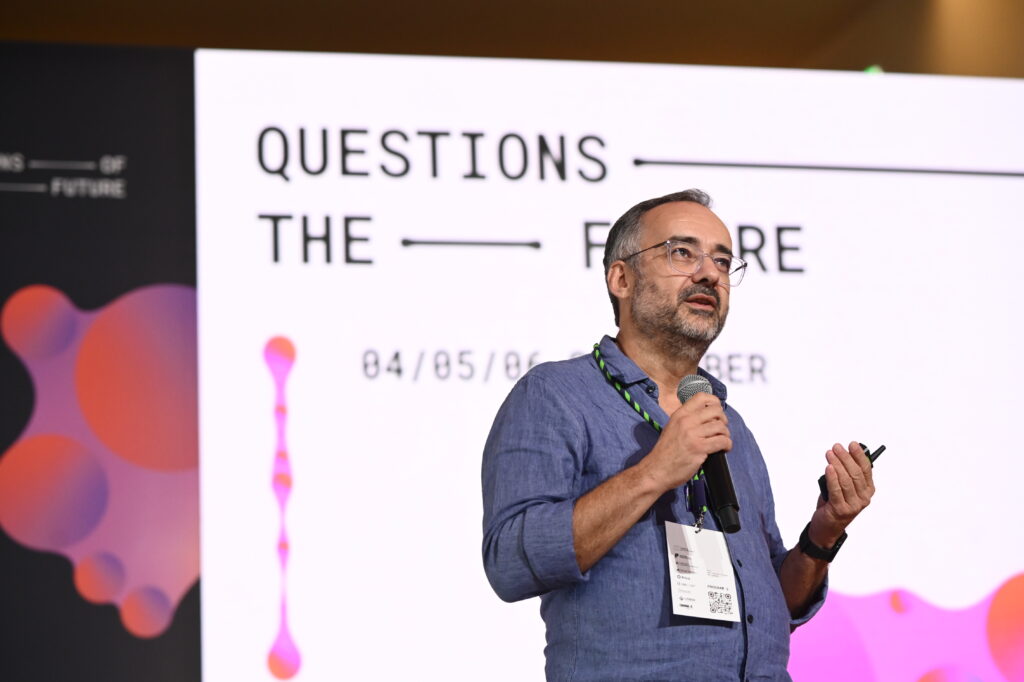
Following her speech was João Pedro de Magalhães from the University of Birmingham, who provided an overview of what aging is, showing particular interest in the programming theories of aging.
“We need to develop ways to intervene in aging, to slow it down, because this would bring enormous benefits to health, medicine, society, and the economy,” warns the researcher.
The aging process involves changes at various levels — molecular, cellular, physiological, and functional — which is a widely accepted understanding in the scientific community. Functional and physiological decline increases vulnerability and ultimately mortality as age advances. From age 30 onwards, the risk of death nearly doubles every eight years, a pattern observed in populations worldwide, in both poorer and wealthier countries.
“Genetics is a fundamental tool for testing aging theories, as it allows manipulation of specific genes or processes and analysis of their effects,” explains.
The diversity of aging rates among different mammals — from mice, which live around two to three years, to the bowhead whale, which can live up to two centuries, surpassing humans — reinforces the idea that aging remains one of biology’s greatest mysteries.
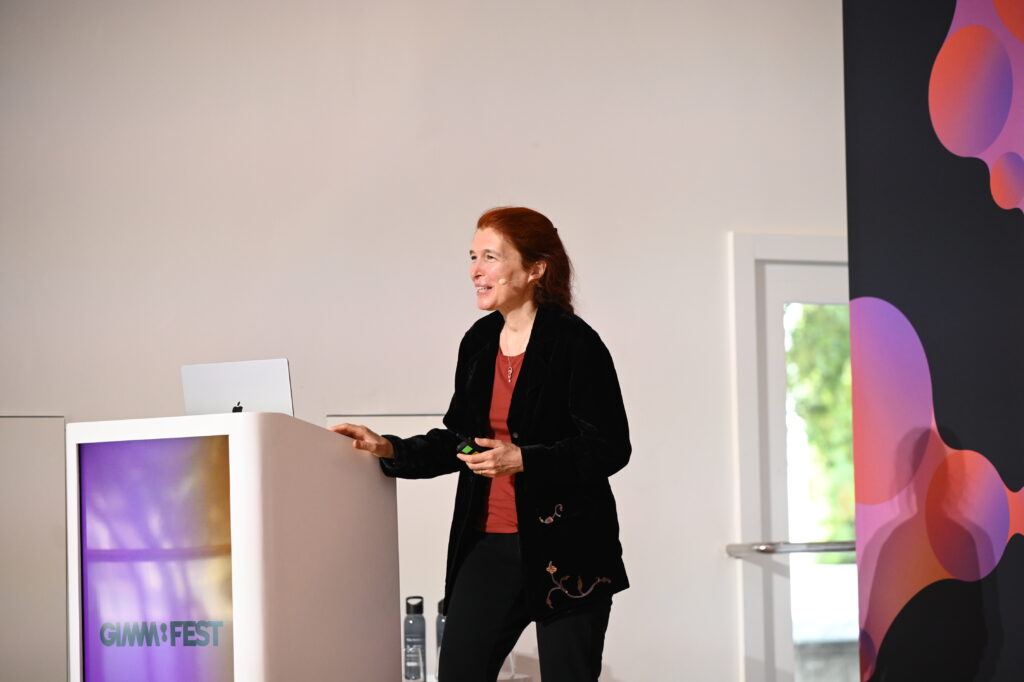
Vera Gorbunova from the University of Rochester questions: “why do some animals age more slowly than others? What molecular mechanisms explain a difference of over 100 times in lifespan, and can these mechanisms be adapted to improve human health and longevity? Once these mechanisms are identified, how could they be transferred to humans?”
Additionally, the discussion addresses DNA damage over the aging process and demographic issues to advance prevention.“We are experiencing a global demographic shift — it is not an exclusive phenomenon of Western Europe or North America. Life expectancy has doubled over the last 150 years, and the aging population continues to grow,” notes Björn Schumacher from the University of Cologne.
The solution, therefore, involves prevention — understanding the mechanisms of aging rather than merely treating diseases. “Personalized precision medicine, with tailored therapies, cannot be a mere future concept,” warns the researcher.
Biological aging biomarkers may help predict the effectiveness of anti-aging strategies. “Genetics, diet, pharmacology, and environmental interventions have known and predictable pro- and anti-aging effects in organisms like the C. elegans worm, allowing the determination of biological age,” he explains.
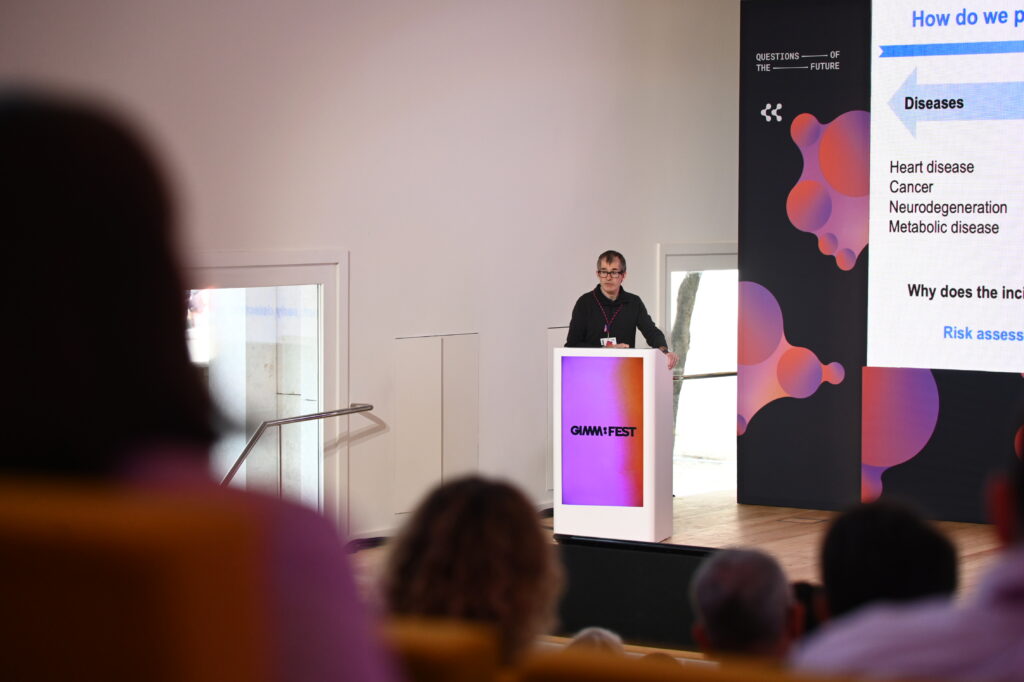
Despite similar aging trajectories in the brains of rats and humans, the role of aging in cancer shows differences, as highlighted by Peter Adams from the Sanford Burnham Prebys Medical Discovery Institute.
How can we prevent debilitating chronic diseases of old age, such as cardiovascular disease, cancer, neurodegeneration, and metabolic disorders? The answer involves risk assessment, early detection, prevention, and treatment. An example is liver cancer, which differs significantly between young and elderly individuals. Maintaining a delicate balance at different levels is fundamental until breakdown occurs, leading to death.