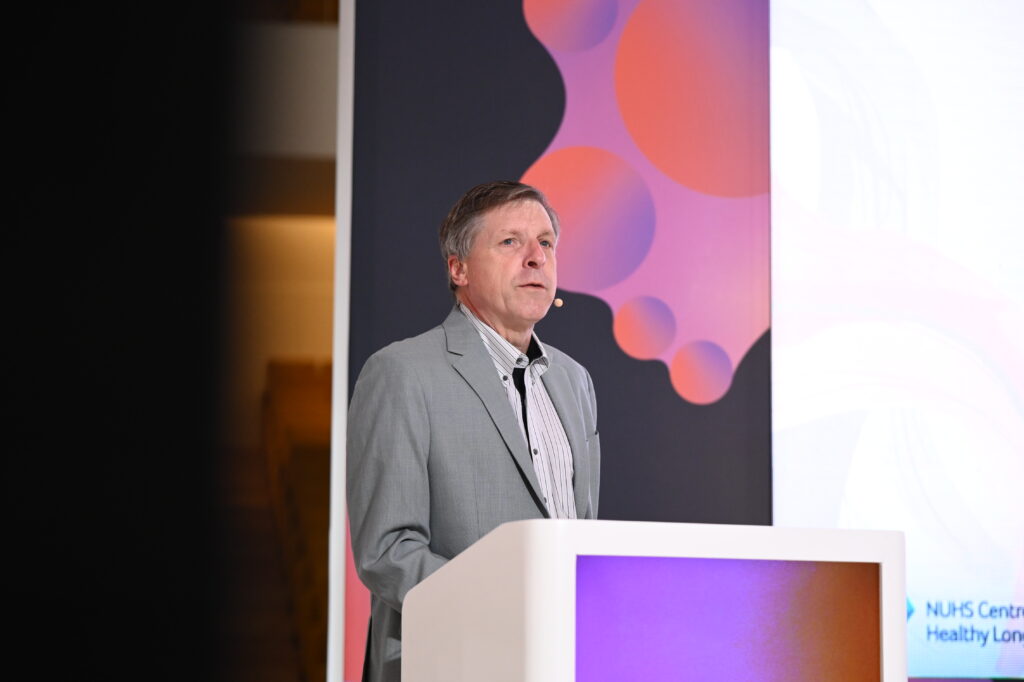
On the second day of GIMM Fest, the morning was dedicated to the theme Transforming Aging: Future Questions for Longevity Therapies. Three speakers took the stage, bringing forward fresh perspectives and ideas still underexplored—such as Brian Kennedy’s simple yet striking observation: “If you live near a park, you are biologically younger.”
For the first time at GIMM Fest, dietary supplements entered the conversation on aging. But before diving in, Kennedy, from the National University of Singapore and member of the festival’s Scientific Advisory Board, set the stage with three fundamental questions in biology: Can we delay aging? Can we stop it? Can we reverse it?
“Taking supplements is often associated with rejuvenation, but in reality, there are few statistically significant results,” Kennedy cautioned. He described a study that measured the biological age of participants taking supplements, including Rejuvant, a product containing alpha-ketoglutarate and vitamins. Developed by a company for which Kennedy is a scientific advisor and board member, the supplement showed promise: a 2021 study concluded it could reduce biological age by an average of eight years.
The results, however, were uneven. Men responded better than women, and the older the participant, the stronger the effect. Lifestyle factors also played a role: smokers proved biologically older, while people who woke up feeling well-rested were on average six to nine months younger.
Kennedy’s work goes beyond supplements. His team has built a biological “clock” that predicts not only age, but also cognitive and physical decline, and even mortality—something methylation clocks, he argued, fail to do reliably. The model spans a 200-month window (about 16 years) and is already being tested in hospitals and longevity clinics.
As Kennedy put it: in one case, a 72-year-old was predicted to have the biological profile of an 88-year-old and to die five years later. The key factor driving this forecast? Metabolism, with smoking heavily tipping the scales.
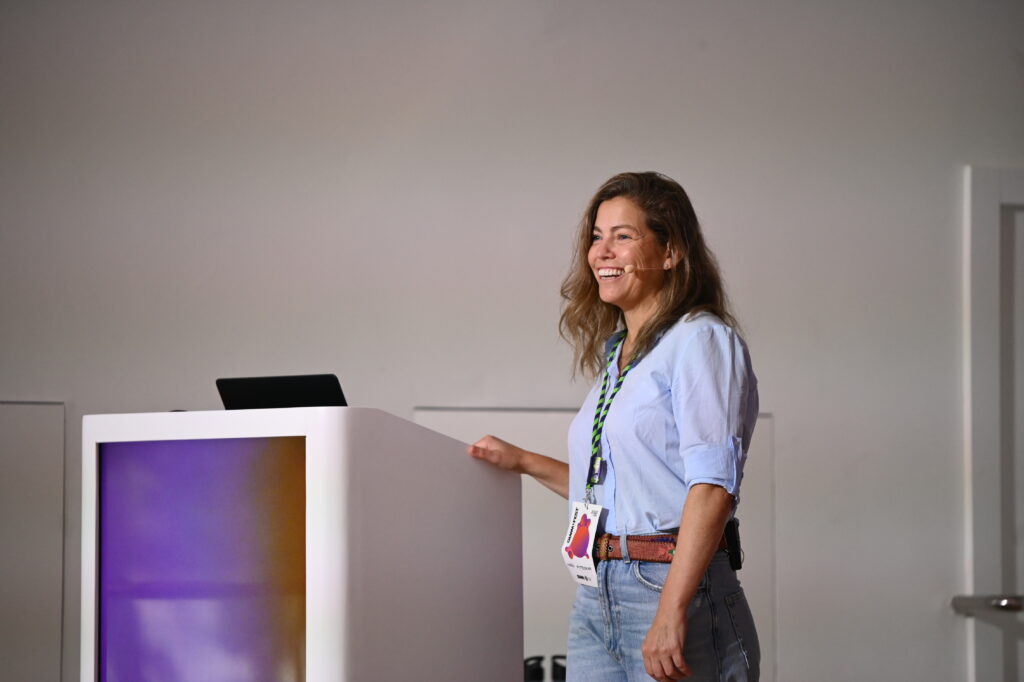
If Kennedy shone the spotlight on metabolism and prediction models, the immune system took center stage with Maria Mittelbrunn from the Molecular Biology Center, Consejo Superior de Investigaciones Científicas. Too often overlooked, the immune system weakens with age, leaving us more vulnerable to infections, cancer, and chronic diseases. Evidence suggests this deterioration doesn’t just affect defenses—it disrupts cells and tissues more broadly.
What sparks inflammation? Pollution and pathogens, certainly, but also internal triggers: DAMPs (Damage-Associated Molecular Patterns), imbalances in gut microbiota, cellular senescence, and the immune system’s own decline.
“T lymphocytes play a crucial role, as they undergo the most changes throughout the aging process,” Mittelbrunn explained. “Mitochondrial dysfunction in these cells induces premature immunosenescence.”
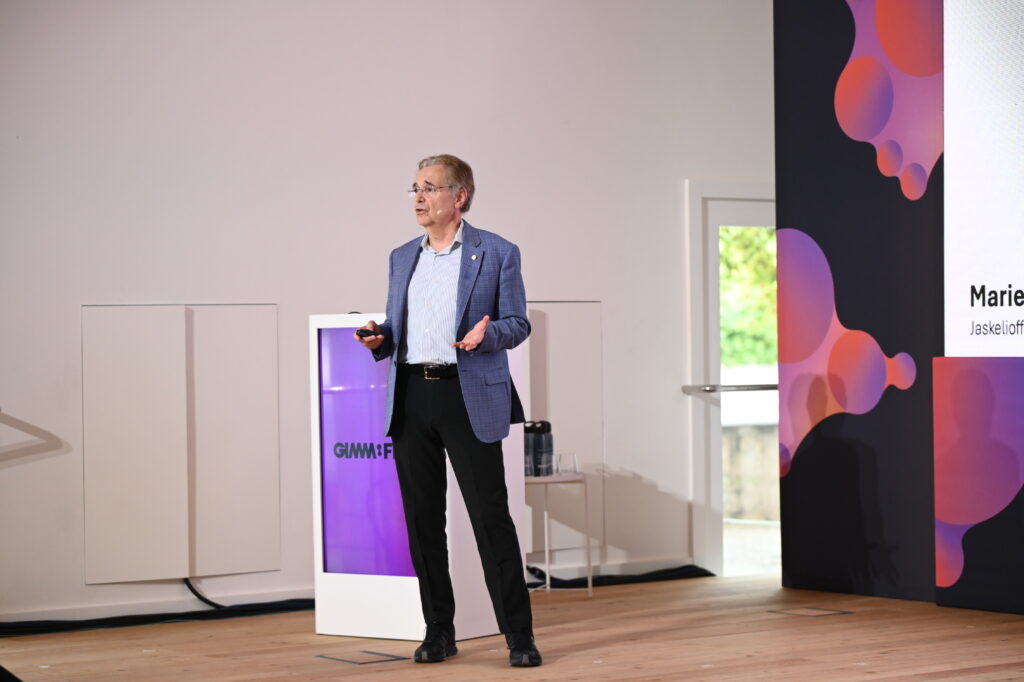
The third voice of the morning, Ron DePinho of MD Anderson Cancer Center, offered a sobering reminder: “No one escapes aging and mortality.” He stressed the economic weight of the issue: in the US, extending healthy lifespan by just one year across a generation would yield savings of 38 trillion dollars.
DePinho also pushed back against wishful thinking. “People say 50 is the new 40,” he said, “but biologically, the first sharp decline in physiology and symptoms of aging happens around 50.” From a biological standpoint, 50 is not the new 40.
He closed the session with a powerful message on research and its impact: “Basic research is crucial to understanding how systems and organisms work. But let’s not forget—Nature papers don’t cure people. Discoveries need to reach patients and be transformed into real solutions for health problems.”