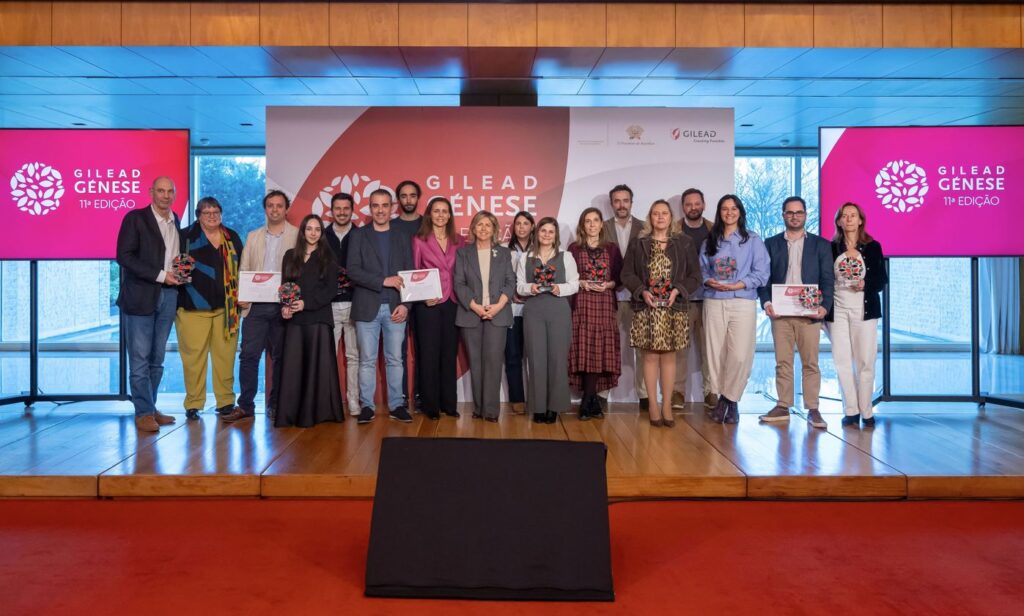
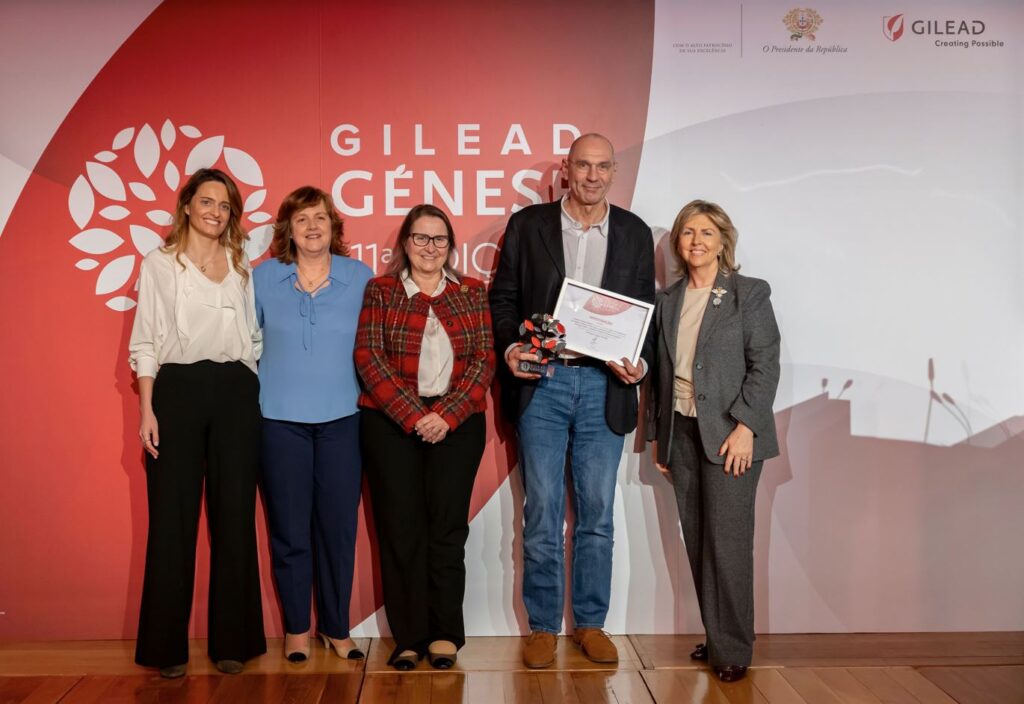
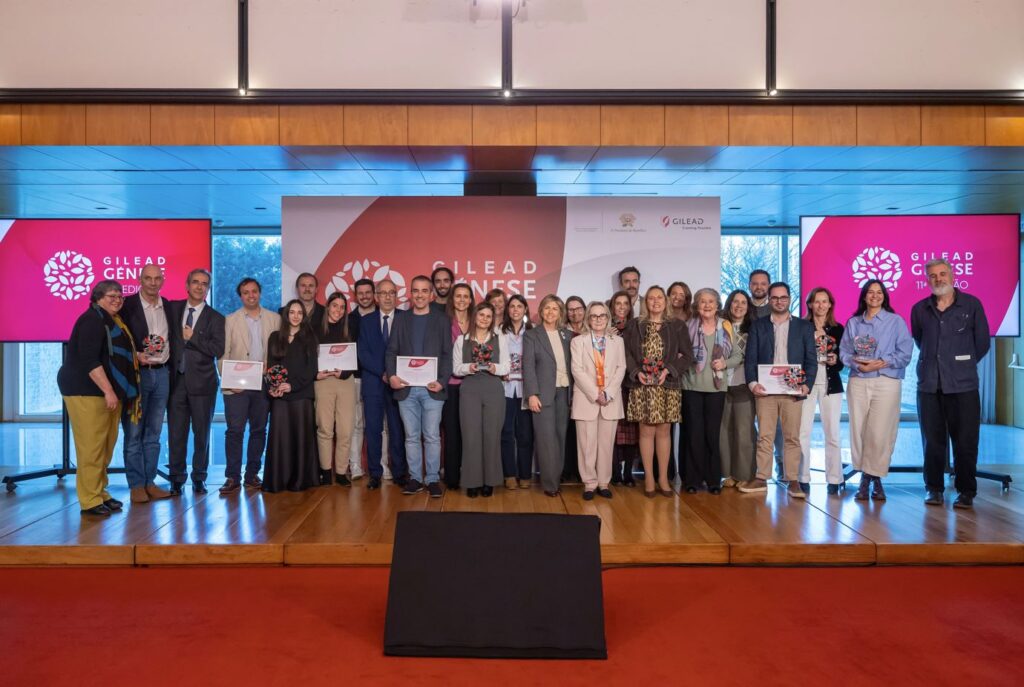
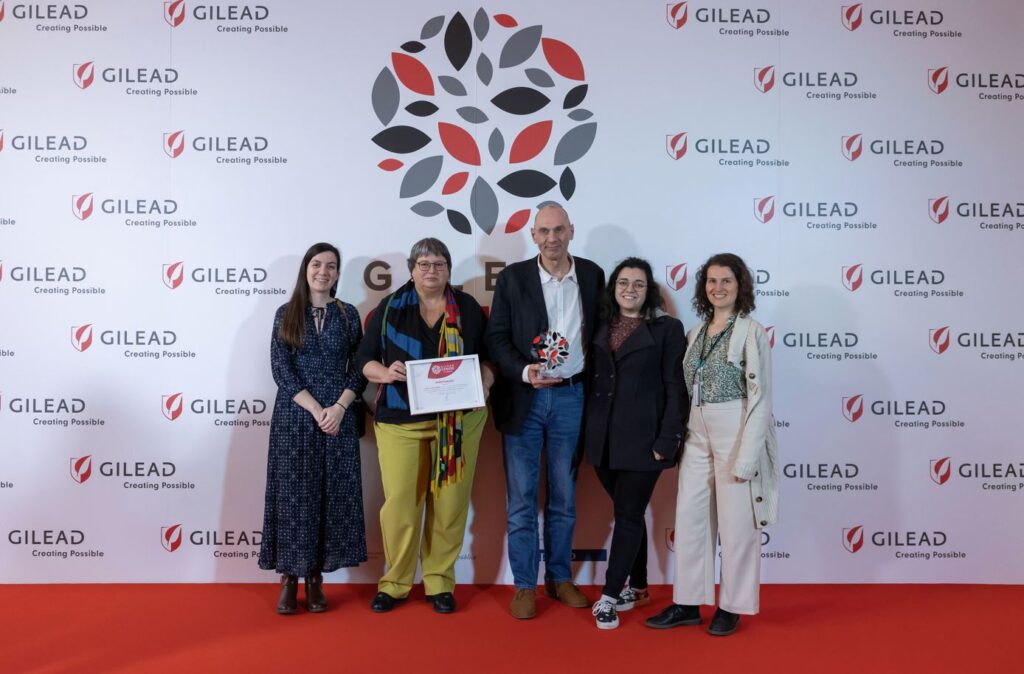
The project “Lessons from HIV-2 lymph node mapping for HIV-1 control”, developed at the Ana Espada de Sousa Lab at GIMM, has been distinguished in the 11th edition of the Gilead GÉNESE Program, an initiative that recognizes innovative projects in the fields of oncology and virology.
This year, 47 national projects were submitted by institutions from the Portuguese National Health Service, academic and scientific institutions, and civil society organizations. Ten projects were selected, four research and six community initiatives, with a total funding of 300 thousand euros.
In the field of virology, the research led by the Ana Espada de Sousa Lab aims to better understand how the immune system responds to HIV-2 within lymph nodes, key sites where many immune responses are organized. HIV-2 infection is often characterized by a more effective natural control of the virus when compared to HIV-1.
By studying lymph node biopsies alongside blood samples and applying multi-omics approaches, the team aims to uncover the mechanisms underlying the balance between the virus and the host. These findings may contribute to a deeper understanding of the natural control of HIV-2 infection and support the development of new strategies for the control or functional cure of HIV-1.
Created in 2013, the Gilead GÉNESE Program supports research and community initiatives in areas where Gilead develops scientific activity. Since its launch, the program has received 565 applications and supported 134 projects, with a total funding of more than 3.1 million euros, contributing to the advancement of research and health initiatives in Portugal.