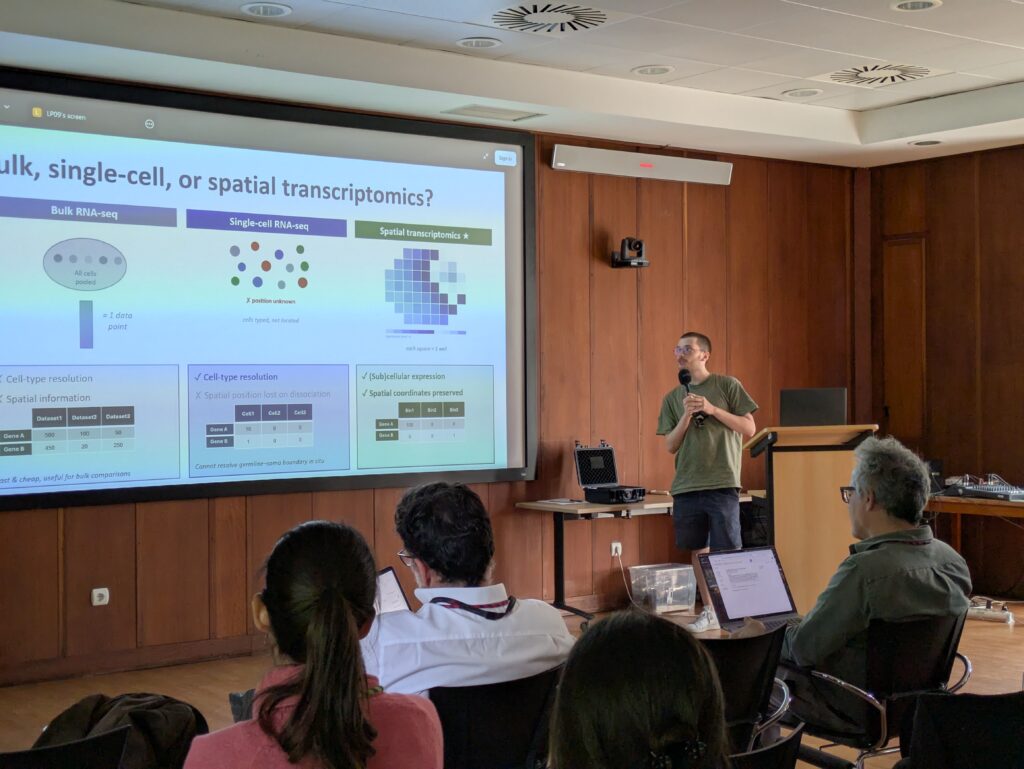
When we talk about metabolism, we are no longer referring simply to how cells produce energy. Increasingly, metabolism is being understood as a central regulator of how cells communicate, adapt and function – across immunity, fertility, cancer, microbiome research and even brain-body interactions. This broader vision was at the core of the first Metabolism Day organized at GIMM, on May 7, by group leader Zita Carvalho-Santos and colleagues, bringing together researchers from across the institute working on metabolism-related questions from very different scientific angles.
The idea emerged shortly after Zita Carvalho-Santos joined iMM. While researchers were not always explicitly identifying themselves as metabolism scientists, she noticed that many projects contained strong metabolic components. “There were several groups studying very different things, but many touching metabolism in some way,” she explains. “We felt it would be interesting to create a metabolism club.”
After a period in which there were regular Zoom meetings involving groups from GIMM and other Lisbon institutes it was decided to gather the community in person – this time, only the internal. The response exceeded expectations. Around 75 researchers registered for the first edition, representing fields ranging from immunology to microbiome research and reproductive biology. “It ended up being an even bigger success than we initially expected,” Zita admits.
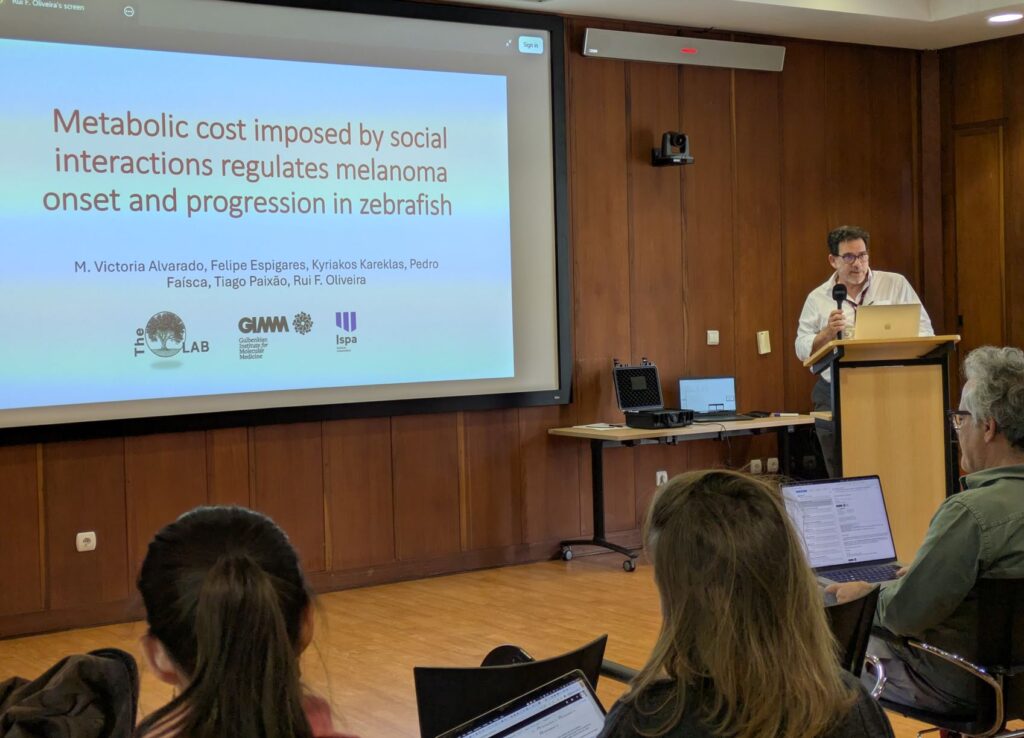
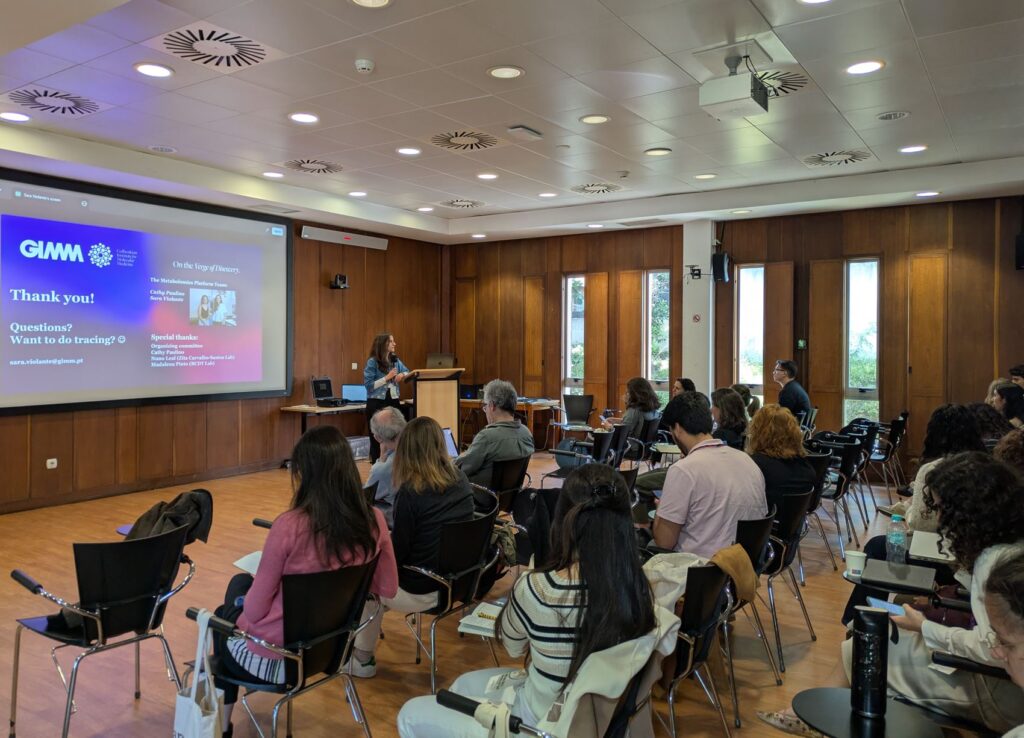
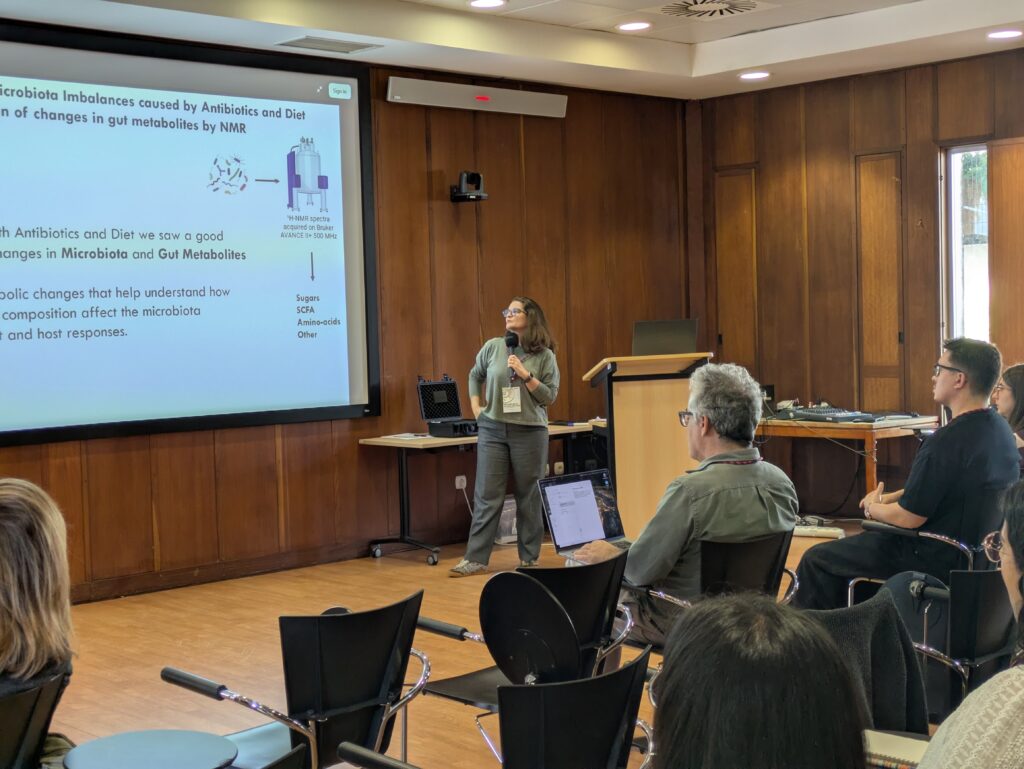
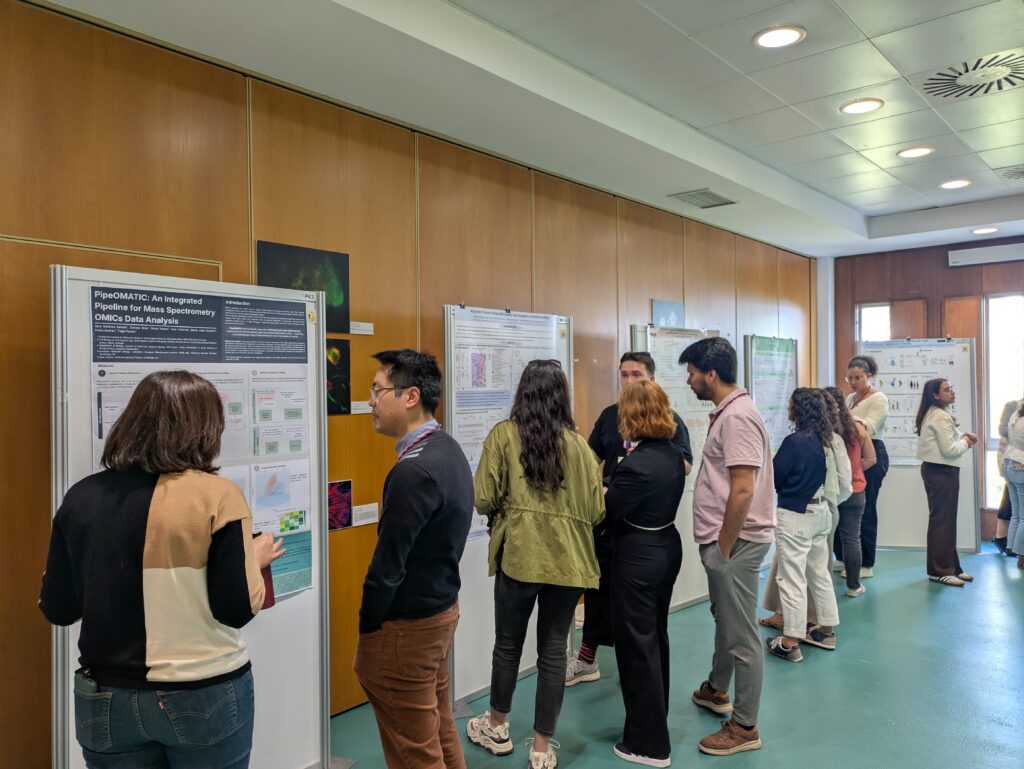
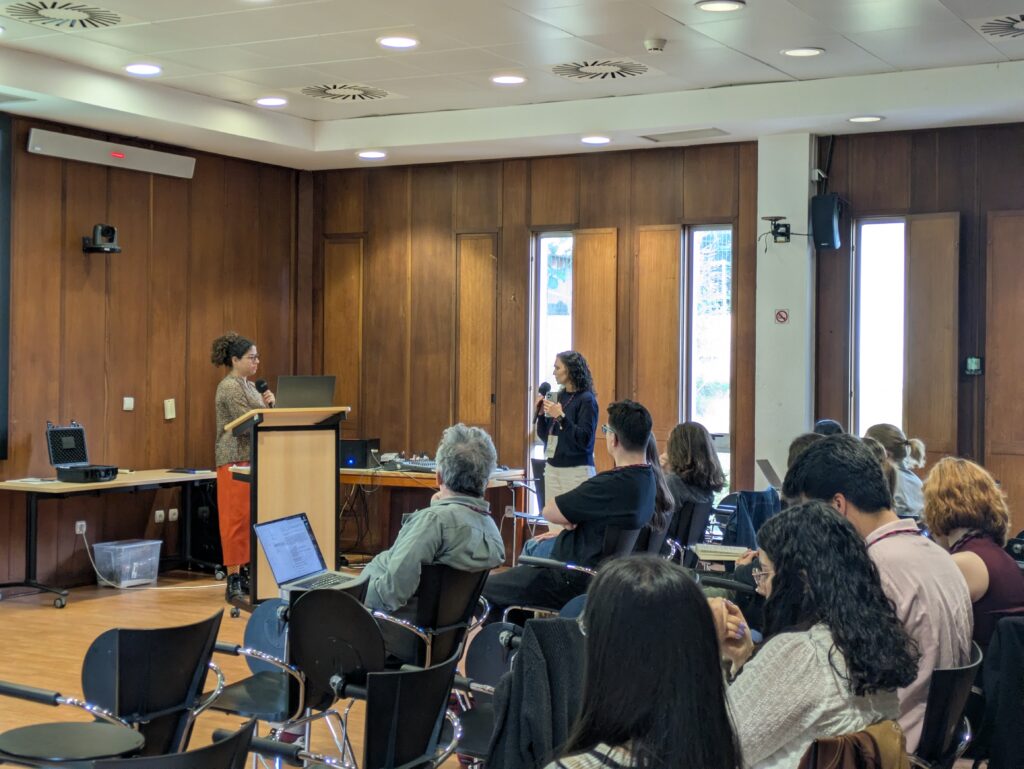
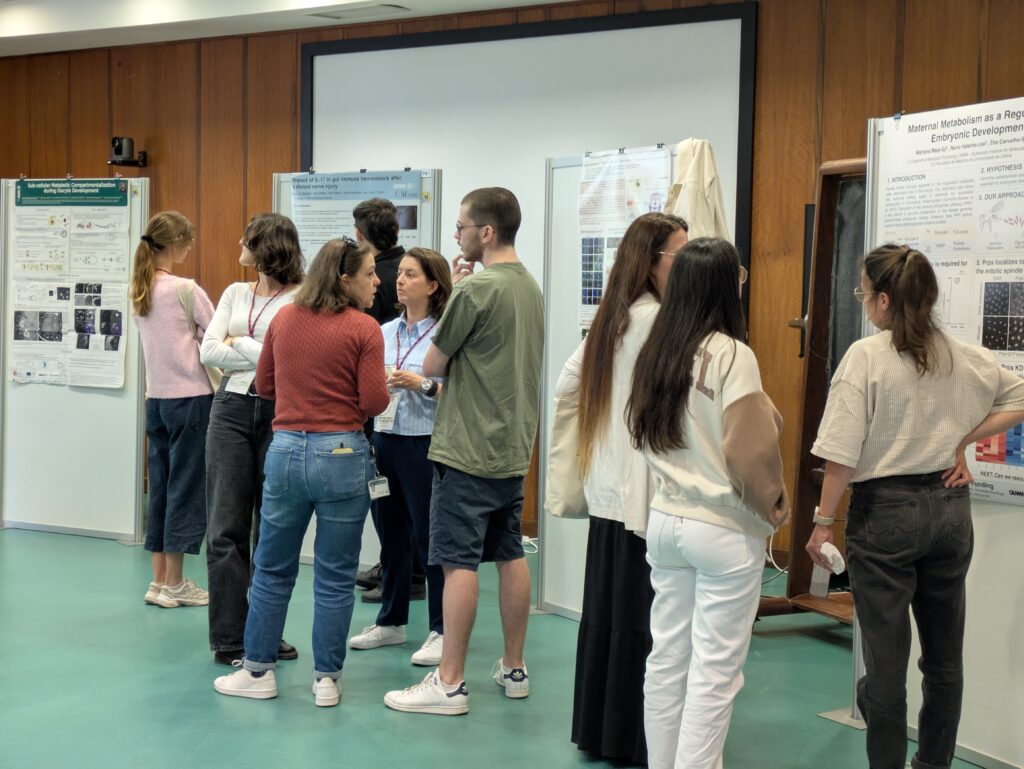
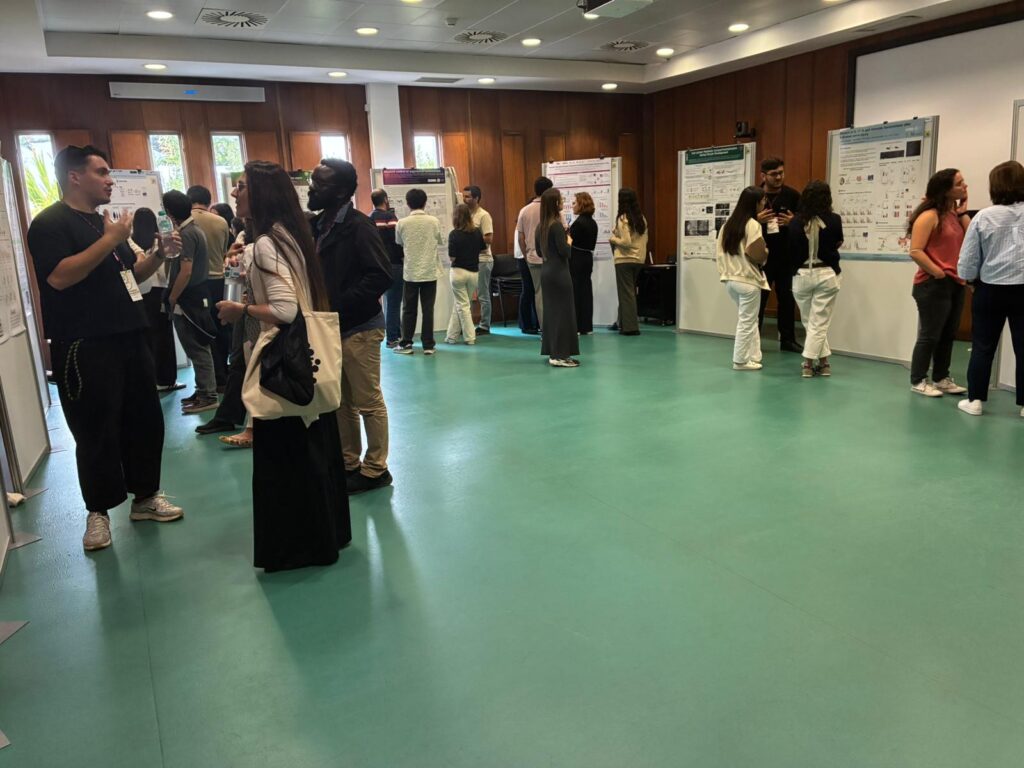
Rather than centering the event around senior researchers, the organizers deliberately gave visibility to younger scientists. Most talks were delivered by PhD students, postdocs and some master’s students. Short seven-minute talks were followed by discussion sessions. There was also a poster session.
“The idea was really to give the stage to younger researchers,” she explained. “And they did an amazing job!”
Beyond creating a new scientific forum, the event reflects a broader shift taking place across biology itself. For decades, metabolism was often viewed as a kind of cellular housekeeping – essential, but relatively generic across tissues and organisms. That perspective has changed a lot over the past decades.
“We now understand that metabolism is much more specific than we originally thought,” Zita says. “Different cell types have distinct metabolic programs. Metabolism is also involved in signaling, in communication between cells, and in how tissues respond to their environment.”
This growing understanding connects metabolism to some of the biggest emerging concepts in modern biology, including microenvironments, systems biology and the complex dialogue between organs and tissues. “No system works alone, we know this now” she noted. “The brain interacts with immunity, metabolism interacts with inflammation, tissues communicate constantly. Biology is becoming much more integrated.” Following the success of the first edition, organizers now hope to establish Metabolism Day as an annual event, potentially expanding future editions into a hybrid format involving researchers from across Lisbon and invited international speakers.