What can microbes tell us about who we are? How do they shape our health, influence disease, compete with one another. And could we eventually learn to engineer them to work for us?
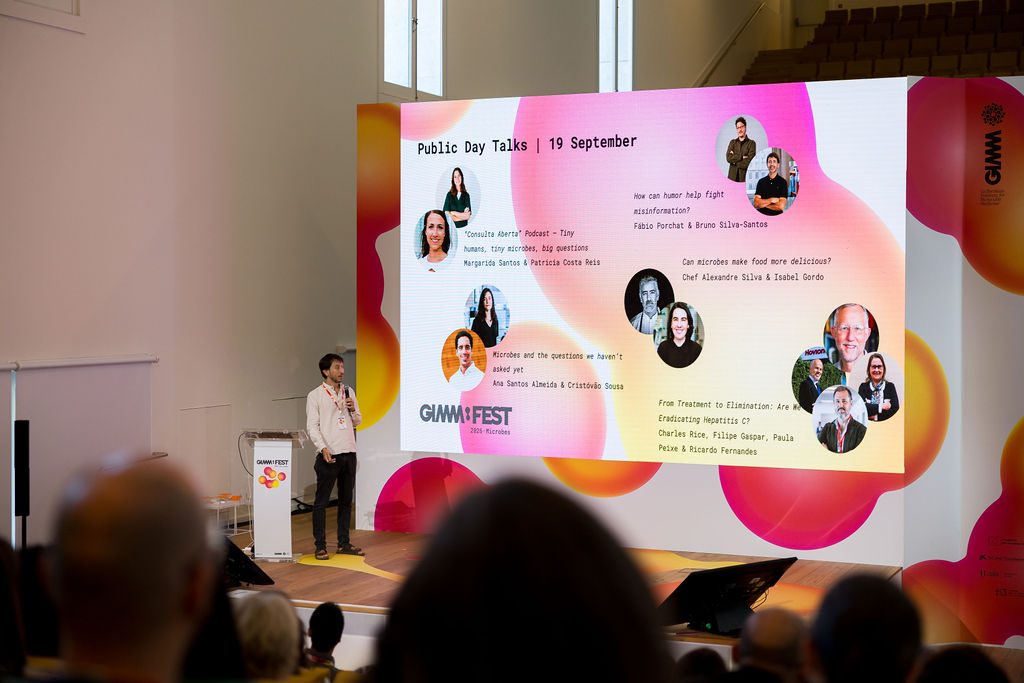
These were some of the questions pronounced during GIMM Fest, taking place in Lisbon, from September 17 to 19, which brought together scientists from GIMM and leading research institutions around the world to explore the many ways in which microbes interact with our bodies and our environment.
We can say it all started with the idea that we are not entirely human.
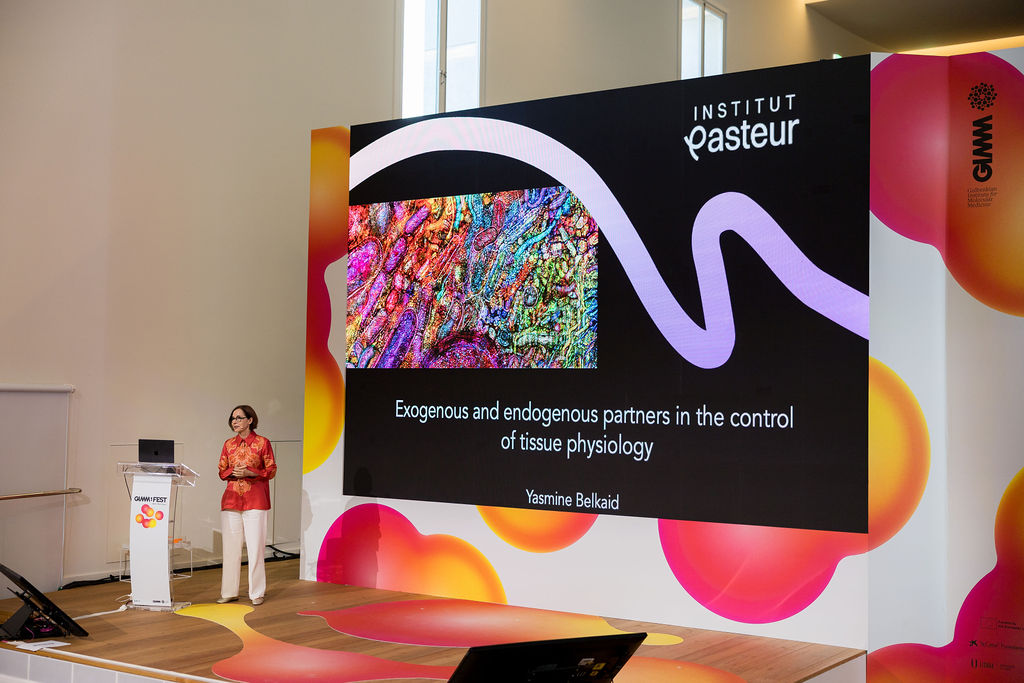
Opening the scientific programme with a keynote talk, Yasmine Belkaid, President of the Institut Pasteur, described humans as “metaorganisms”, constantly shaped by our interactions with microbes. The microbiome, she explained, does not simply coexist with us: it influences our physiology and the ability of our immune system to defend us against pathogens. Yet, despite decades of research, we are still at the beginning of understanding these relationships. “We are just at the beginning of an extraordinary journey of understanding these interactions,” she said.
For Belkaid, this complexity is also a reason for optimism. “The world is complex,” she told the audience, “but science has never been as powerful as it is now. I am immensely optimistic about what science has to give.”
When microbes and the body talk
Several talks explored the constant dialogue between microbes and the human body and what happens when there is ‘noise’ or the dialogue changes.
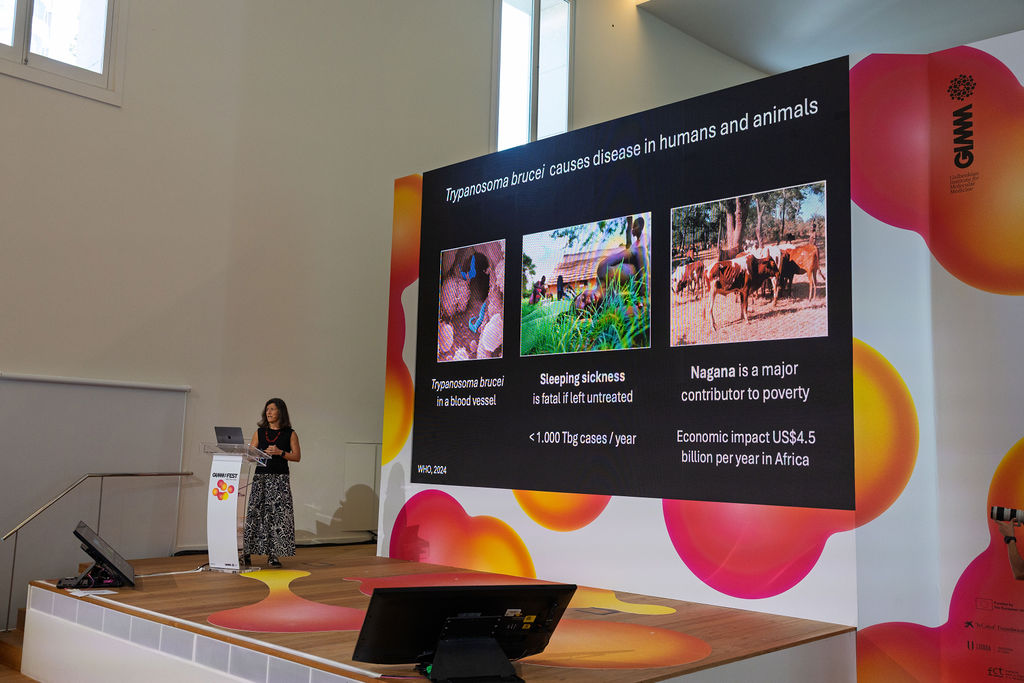
Luísa Figueiredo, from GIMM, presented part of her work on Trypanosoma brucei, the parasite responsible for sleeping sickness. Her research showed how the parasite can trigger the release of fat by cells in adipose tissue, effectively pushing the host to burn fat. The mechanism is still being investigated, but it raises a broader question: “How many solutions of biology are hidden in host-microbe interactions?”
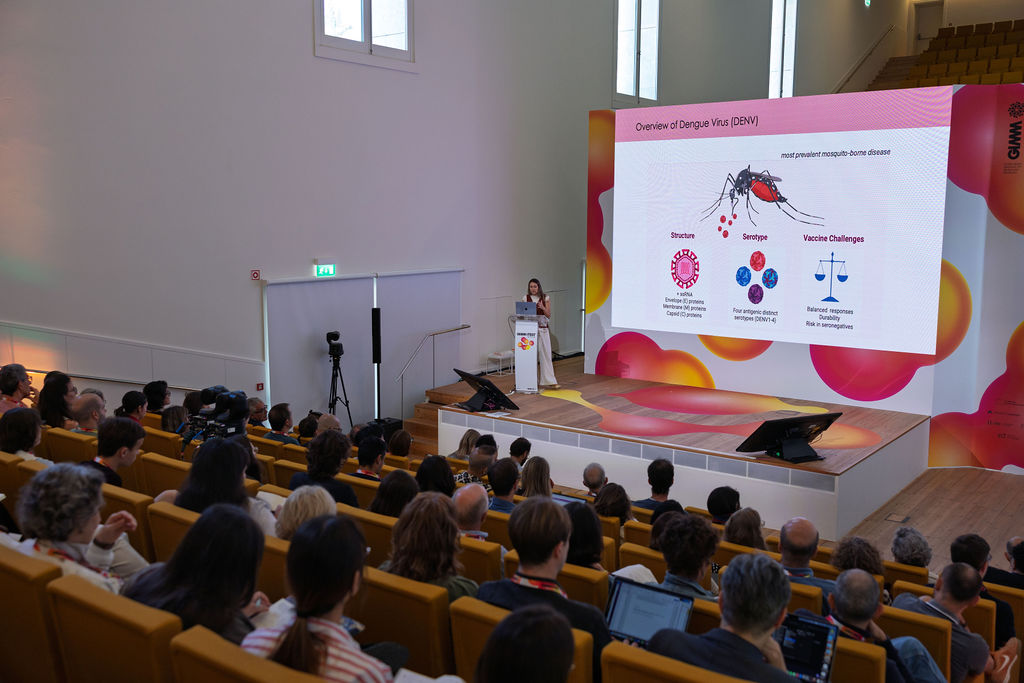
Carolina Lucas, from Yale University, looked at another kind of biological memory: the memory of the immune system. Her work showed how previous exposure to viruses can influence the way the body responds to a vaccine. In studies of dengue, this accumulated history could affect the response to vaccination. “Memory is powerful, but the cost is flexibility,” she explained.
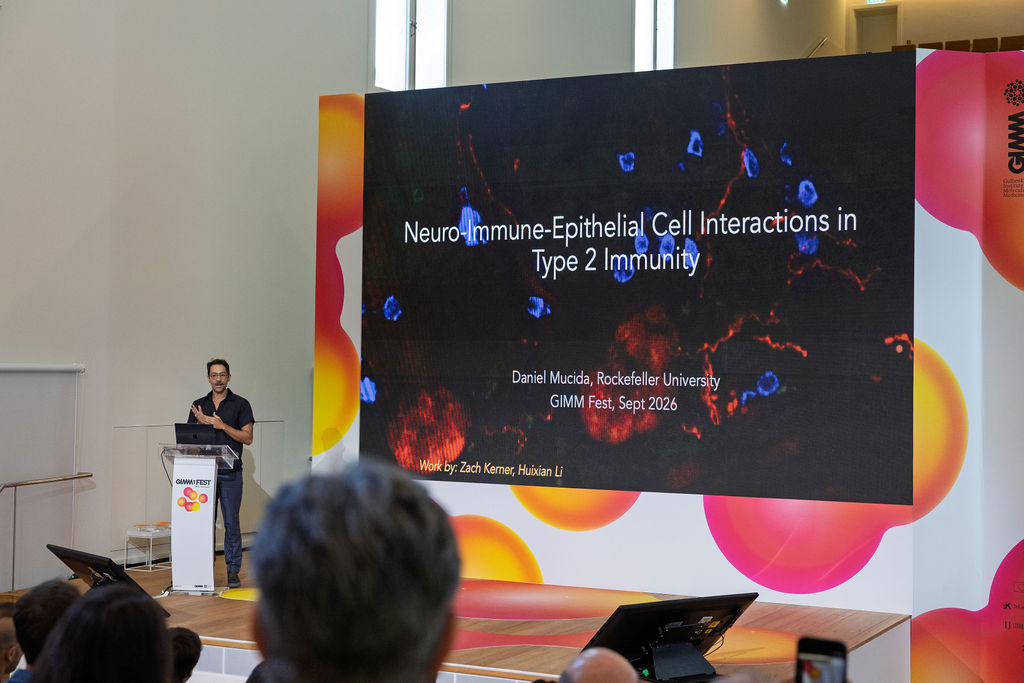
The connections extend beyond the immune system. Daniel Mucida, from Rockefeller University, described three routes through which the intestine can influence the brain: “one is via neuronal, another is via metabolites and the third is via the immune system.”
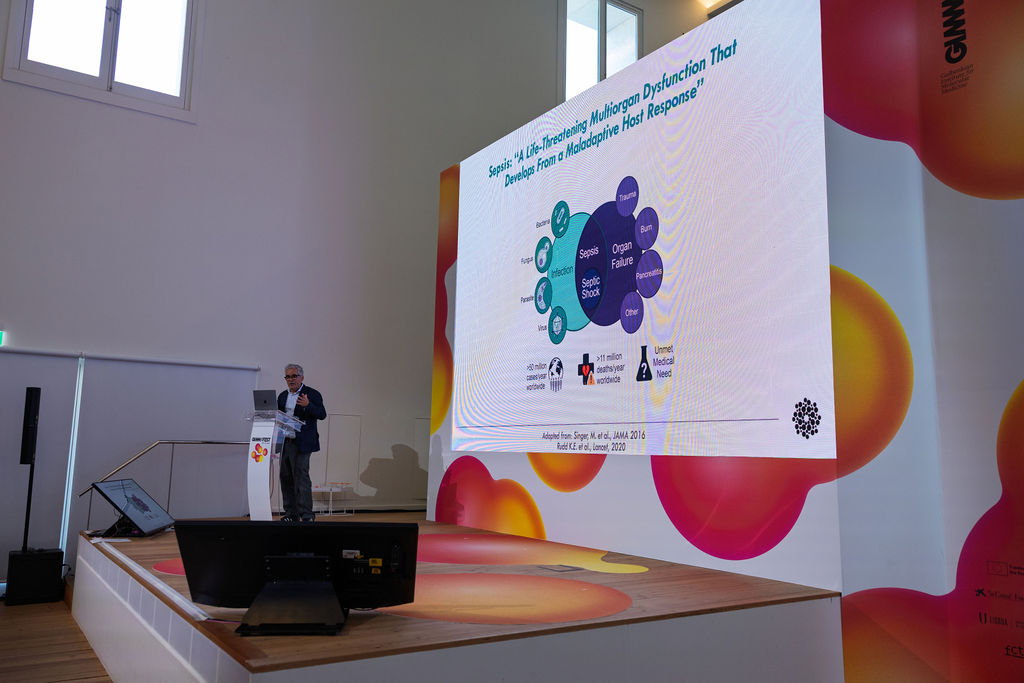
Also from GIMM, Miguel Soares talked about his work, investigating the response to infection as a whole-body process, with strong metabolic and potentially neurological components. “Our understanding is that the response to infection is integrated, of the whole body,” he explained.
A microscopic world of competition
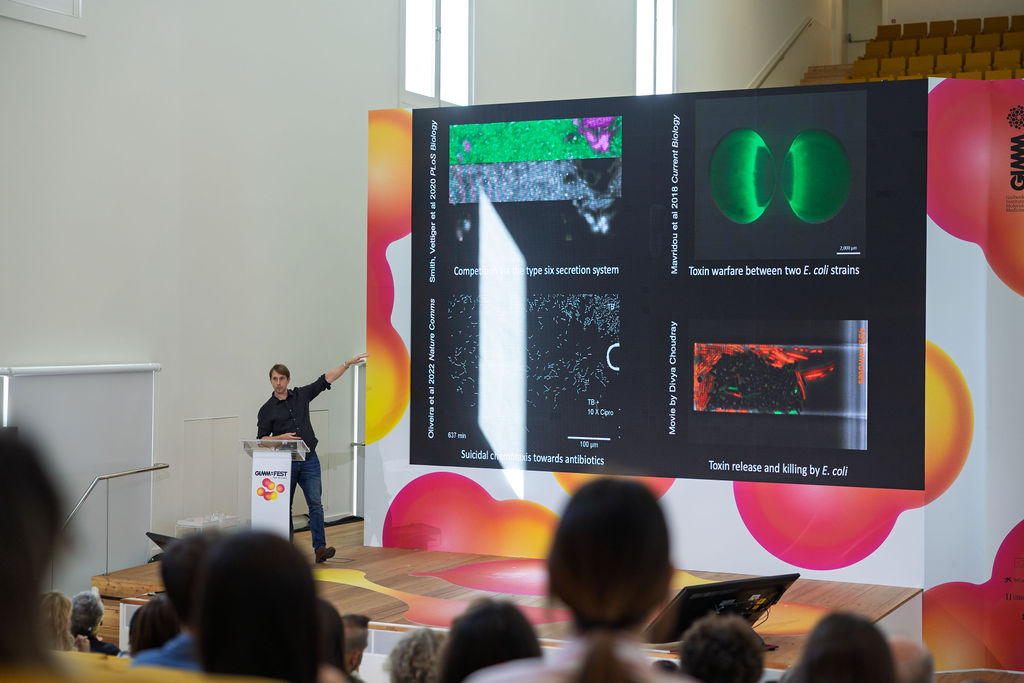
If microbes constantly interact with us, they also constantly interact with each other. Kevin Foster, from the University of Oxford, explored the extraordinary competition that takes place between bacteria. Microbes fight over nutrients and deploy specialised molecular weapons against their rivals. But this microbial warfare is not necessarily bad news for us. A diverse bacterial community can protect its host through colonisation resistance: by consuming the nutrients and occupying the ecological niches that a pathogen needs, resident bacteria can prevent it from establishing itself. “The fact that microbes are competitive isn’t actually a bad thing”, Foster noted. His work suggests that controlling microbial communities will require much more than simply knowing which species are present. We also need to understand what they consume and produce, where they live and how they interact. “If we’re really going to get a handle on these communities, we’re going to have to think about both metabolism and spatial structure.”
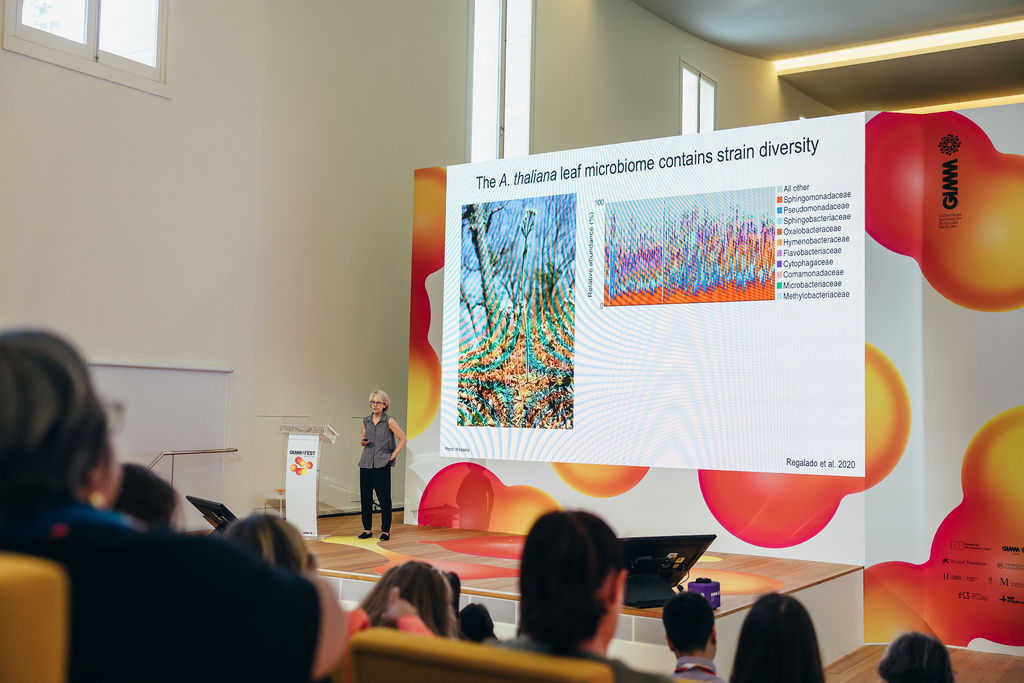
Joy Bergelson, from New York University, added another layer of complexity: even bacteria belonging to the same species are not necessarily the same. Her team studied 258 bacterial strains belonging to two species that naturally colonise Arabidopsis thaliana, testing thousands of combinations. They found that strains of the same species can compete intensely with one another, while some are particularly good at resisting competition. Crucially, greater genetic diversity within a species could actually promote the coexistence of different species and help maintain more diverse microbial communities. “To understand a microbiome,” her work suggests, “we need to look not only at species, but also at the diversity within each species.”
Can we predict what microbes will do?
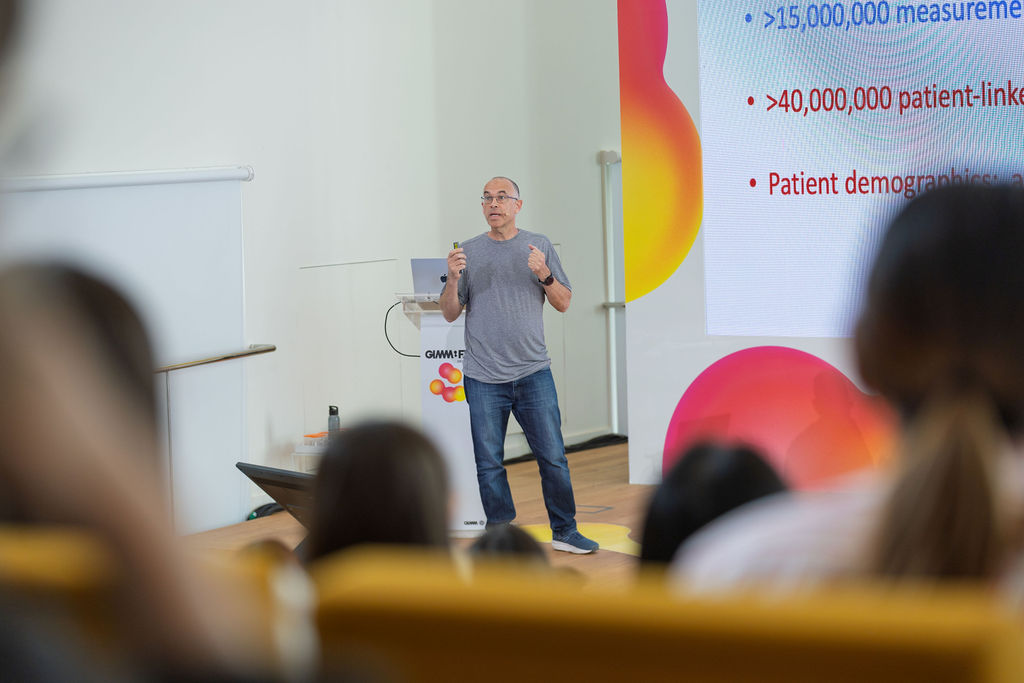
Understanding these communities could eventually allow us not just to observe them, but to predict their behaviour. Roy Kishony, from the Technion, Israel Institute of Technology, presented work combining information from the clinical histories of millions of patients with microbiome data to look for signals that could predict whether a future infection might be resistant to particular antibiotics. And all this, potentially months before that infection occurs. At the same time, machine learning and artificial intelligence are becoming part of the toolkit scientists use to tackle this complexity. “The whole community is developing technologies and part of that is adopting machine learning approaches and AI,” said Kishony.
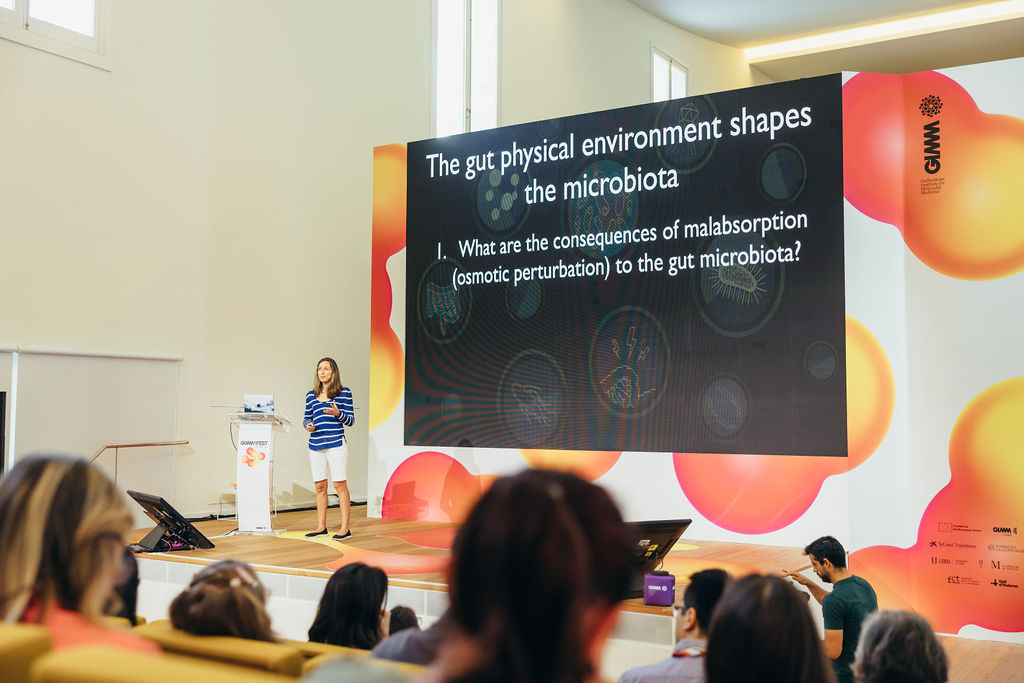
Carolina Tropini, from the University of British Columbia, took this idea in another direction, showing how the physical environment inside the gut can itself determine which microbes survive. Her work focuses on osmotic stress, the changes in the concentration of molecules in the gut that can be caused by diet, malabsorption or laxatives. Different bacteria respond differently to these changes: some can adapt, while others are depleted. Tropini has also developed engineered bacteria capable of sensing subtle changes in the gut environment, including perturbations that are not yet detectable through conventional clinical measures. One of her major interests is the disappearance of so-called “vanishing” bacteria: microbes that are common in traditional populations but increasingly rare in industrialised societies. Her team has shown that Muribaculaceae, for example, are particularly sensitive to osmotic stress. Engineering them with stress-response systems taken from bacteria better adapted to industrialised environments increased their resilience and allowed them to survive these conditions in mice, which raises the possibility that microbiome therapies might not always require simply putting missing bacteria back. Another solution could be possible to equip vulnerable microbes with the tools they need to survive.
From observing microbes to engineering them
That transition from understanding biology to deliberately changing it was one of the strongest ideas running through the festival.
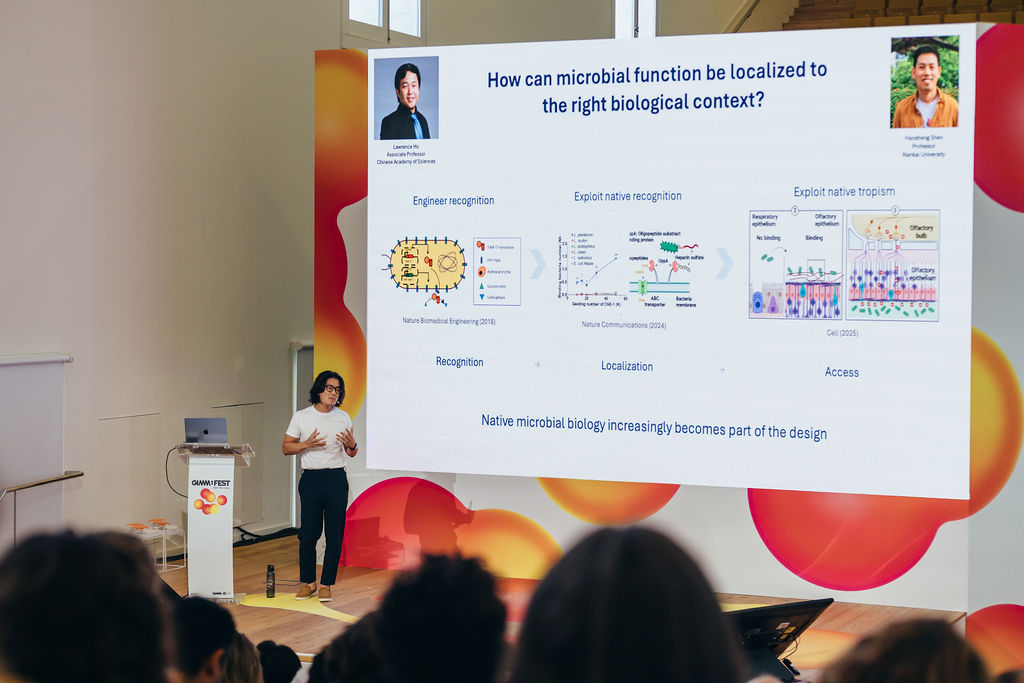
Matthew Chang, from the National University of Singapore, explored how synthetic biology can turn microbes into tools for studying and potentially treating disease. His team engineers microorganisms to sense signals in the body and respond by producing specific molecules. In one example, engineered bacteria associated with the nasal cavity were used to produce hormones that could travel from nasal tissue to the brain. In another, two engineered gut bacteria were given complementary functions that altered metabolites associated with liver disease and produced effects on memory and anxiety-like behaviour in mice. The goal, ultimately, is to make the microbiome experimentally controllable: microbes that can sense, respond and alter the physiological state of their host.
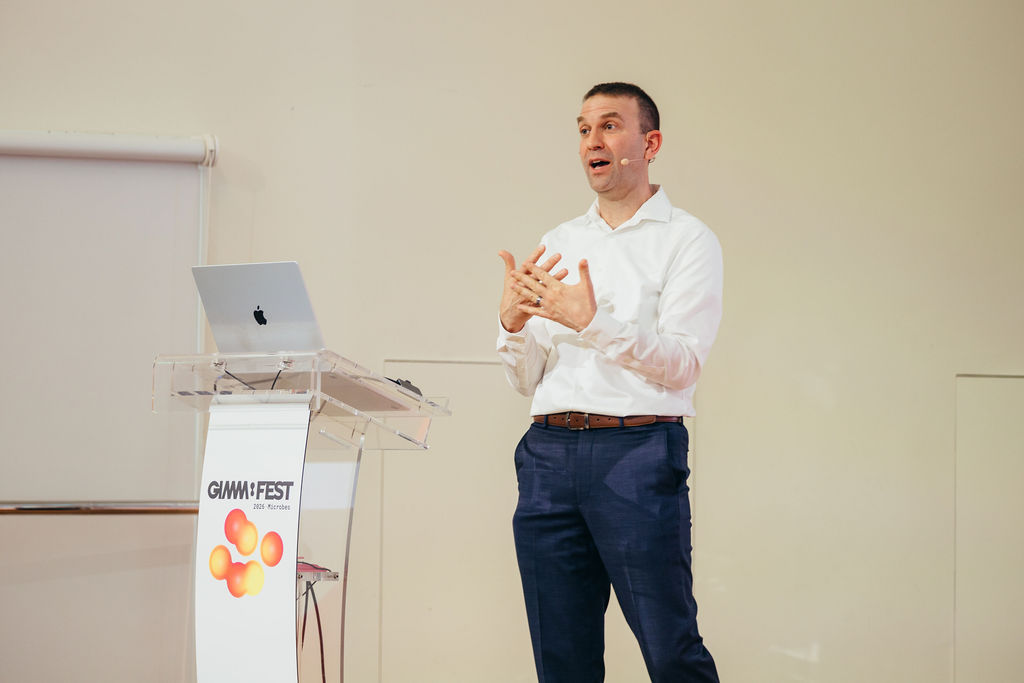
Jeffrey Barrick, from the University of Texas, Austin, explored a different application: honeybees. His work asks whether engineered bacteria living in the bee gut could produce RNA molecules capable of targeting viruses, parasites such as Varroa mites, or fungal infections. Barrick also stressed that engineering a microbe is only the beginning. Once released into a living environment, bacteria evolve. Changes in laboratory culture can select mutations that make them better adapted to the laboratory but less fit inside the bee. Engineered bacteria can also exchange genetic material with other strains. “If we want engineered microbes to work in the real world, we need to understand their ecology and evolution,” he said. This combination of synthetic biology, ecology and evolution points to one of the central challenges and opportunities emerging from the festival: we cannot engineer living systems without understanding how they behave, interact and evolve.
The next question
Across the two scientific days, the GIMM Fest moved from a fundamental question ‘how do microbes shape us?’ towards more difficult ones: Can we predict microbial communities? Can we control them? Can we engineer them? And can we use them to restore biological functions, prevent disease or even protect other species?
GIMM’s CEO Maria Mota challenged participants from the beginning: “This is an event to ask questions.” And so every participant was invited to put at least two questions to fellow researchers during the first day and the questions will continue into the next edition.
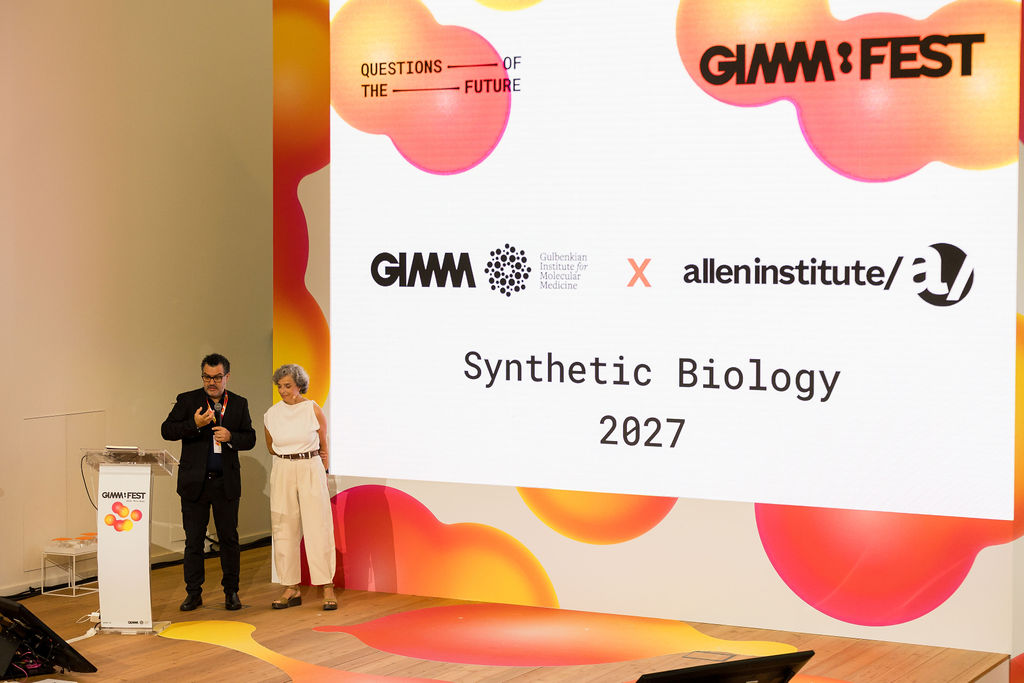
GIMM has announced a new collaboration with the Allen Institute for future GIMM Fest programming, with a focus on synthetic biology. Rui Costa, Portuguese neuroscientist and President and CEO of the Allen Institute, described the collaboration as “an honour”.
If this year’s GIMM Fest asked what microbes can reveal about health, disease and the living world, the next edition will focus on ‘What can we build when we learn to engineer life?’